If you have ever stared into your air fryer basket thinking, Do I line this or just go bare? you are my people. Liners can make cleanup easier, prevent delicate foods from sticking, and save your sanity on a Tuesday. But the air fryer is basically a tiny convection oven, and convection needs one thing to do its job: airflow. Block that, and your “crispy” turns into “steamed with regrets.”
This guide breaks down when to use foil, parchment paper, or a bare basket, plus the simple safety rules that keep your air fryer humming and your food actually crunchy.
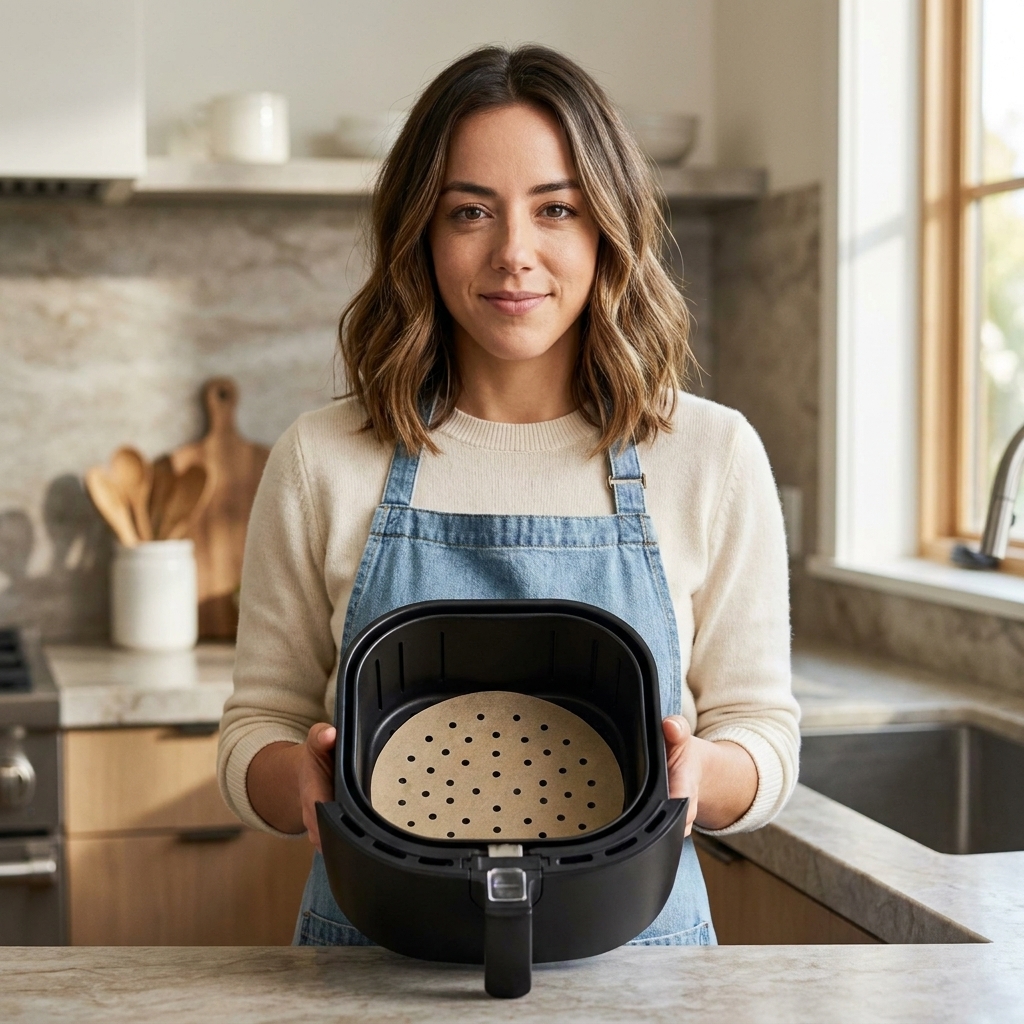
The quick answer
If you only read one section, read this:
- Bare basket is best for maximum crisp and even browning, especially for foods that are not sticky or delicate.
- Parchment (perforated) is best for sticky, delicate, or saucy foods, as long as you do not block airflow and you anchor it with food.
- Foil is best for messy, drippy items, protecting the basket from sugary marinades, or creating a little “boat” for fragile foods, but it must be used in a way that does not cover the basket’s air holes.
Why liners matter
Air fryers cook by blasting hot air around your food. That moving air dries the surface fast, which is what gives you that deep-fryer-adjacent crunch without a vat of oil.
A liner changes three things:
- Airflow: Covering the bottom or blocking perforations reduces circulation and slows browning.
- Surface contact: A liner can prevent sticking but also reduce the direct “sear” effect you get on bare metal.
- Moisture: Liners can trap steam, especially with high-water foods, leading to softness.
The goal is not “liner or no liner.” The goal is use the right liner for the right job, in a way that still lets air move.
Bare basket
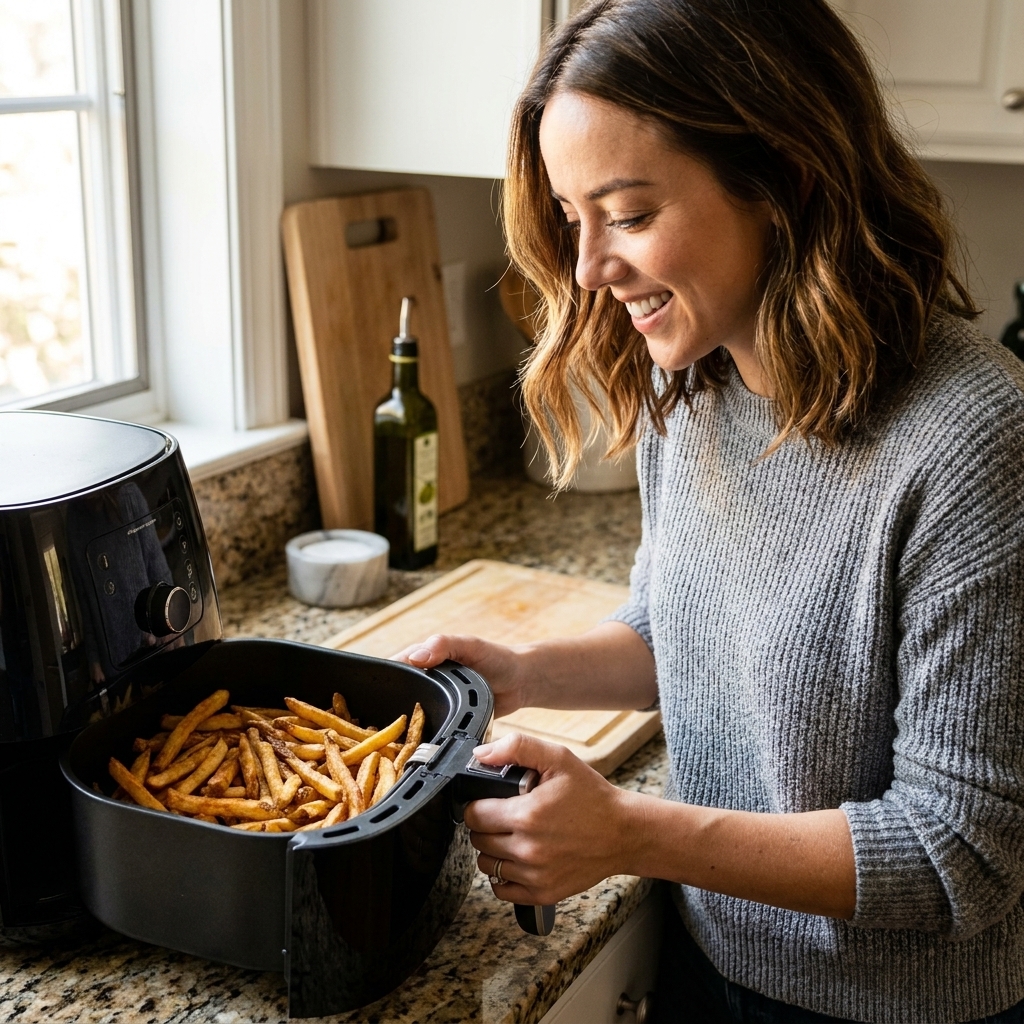
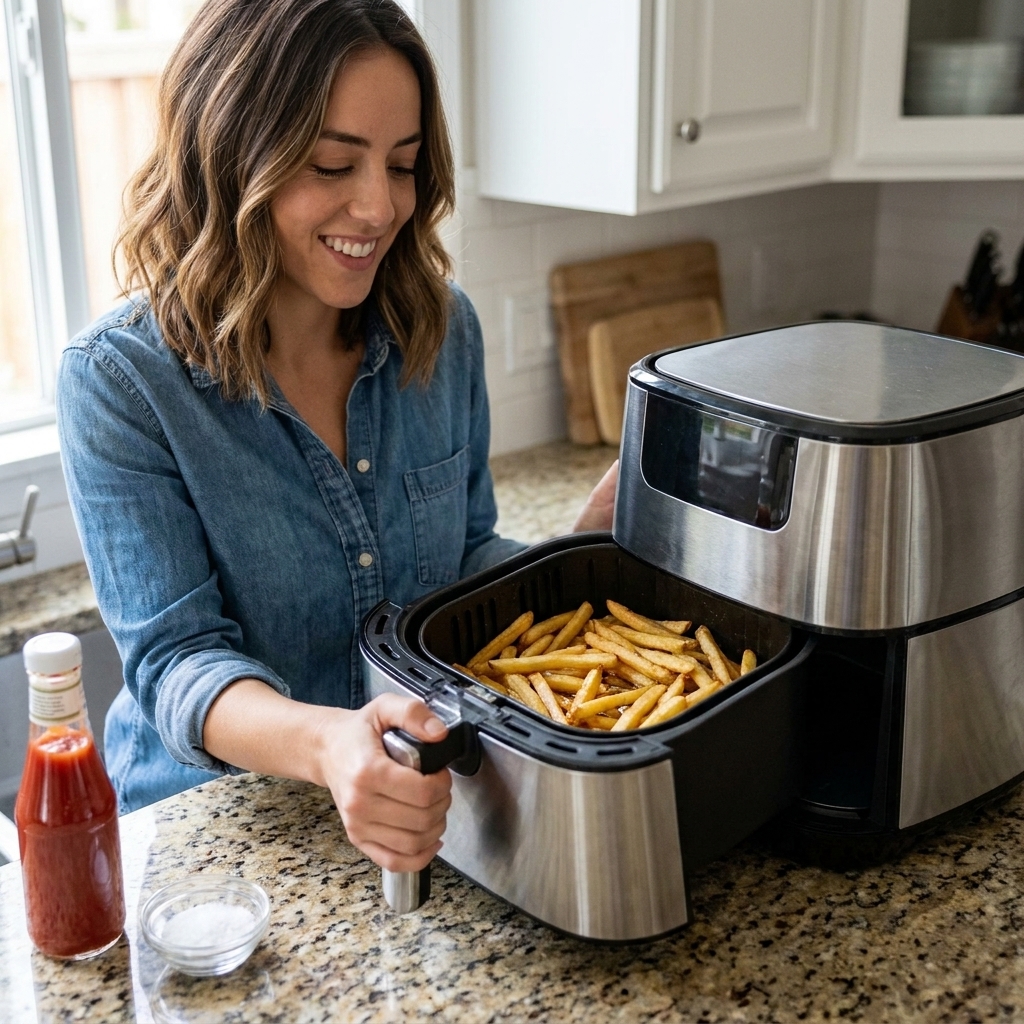
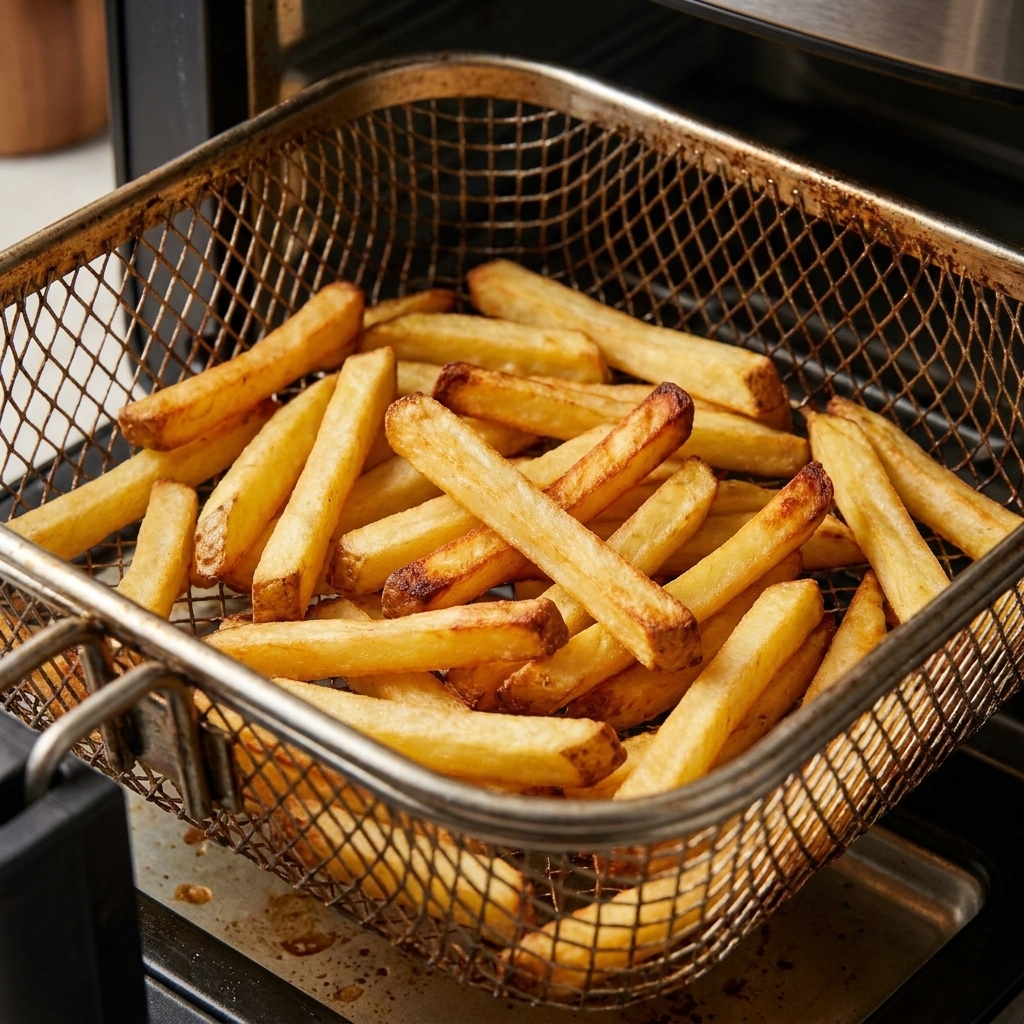
When in doubt, I default to bare basket. It is where air fryers perform best, especially if your basket is clean and your food is prepped well.
Best for
- Frozen foods like fries, tots, nuggets, fish sticks
- Vegetables you want browned, like broccoli, Brussels sprouts, green beans
- Meats and proteins that render a little fat, like chicken thighs, wings, sausages
- Anything breaded that you want maximum crunch
How to prevent sticking
- Preheat for 3 to 5 minutes if your model benefits from it. A hot basket often sticks less.
- Light oil, not a puddle: A quick spray on the food, not the basket, is usually enough.
- Do not overcrowd: Crowding creates steam, and steamed food sticks and softens.
- Flip or shake: Even a gentle turn halfway reduces sticking and improves color.
Cleanup tip from a mom who hates scrubbing
While the basket is still warm, add a little hot water and a drop of dish soap and let it sit 5 minutes. Most stuck-on bits soften right up.
Nonstick care, because future-you deserves nice things
- Skip metal utensils and harsh scrubbers that can damage the coating.
- Use a soft sponge or brush and let soaking do the heavy lifting.
- If your basket is dishwasher-safe, great. If not, hand-washing is usually gentler long-term.
Parchment paper
Parchment is my go-to when I am making something that wants to glue itself to the basket or fall apart when I flip it. The trick is using it correctly so it does not block airflow or blow into the heating element.
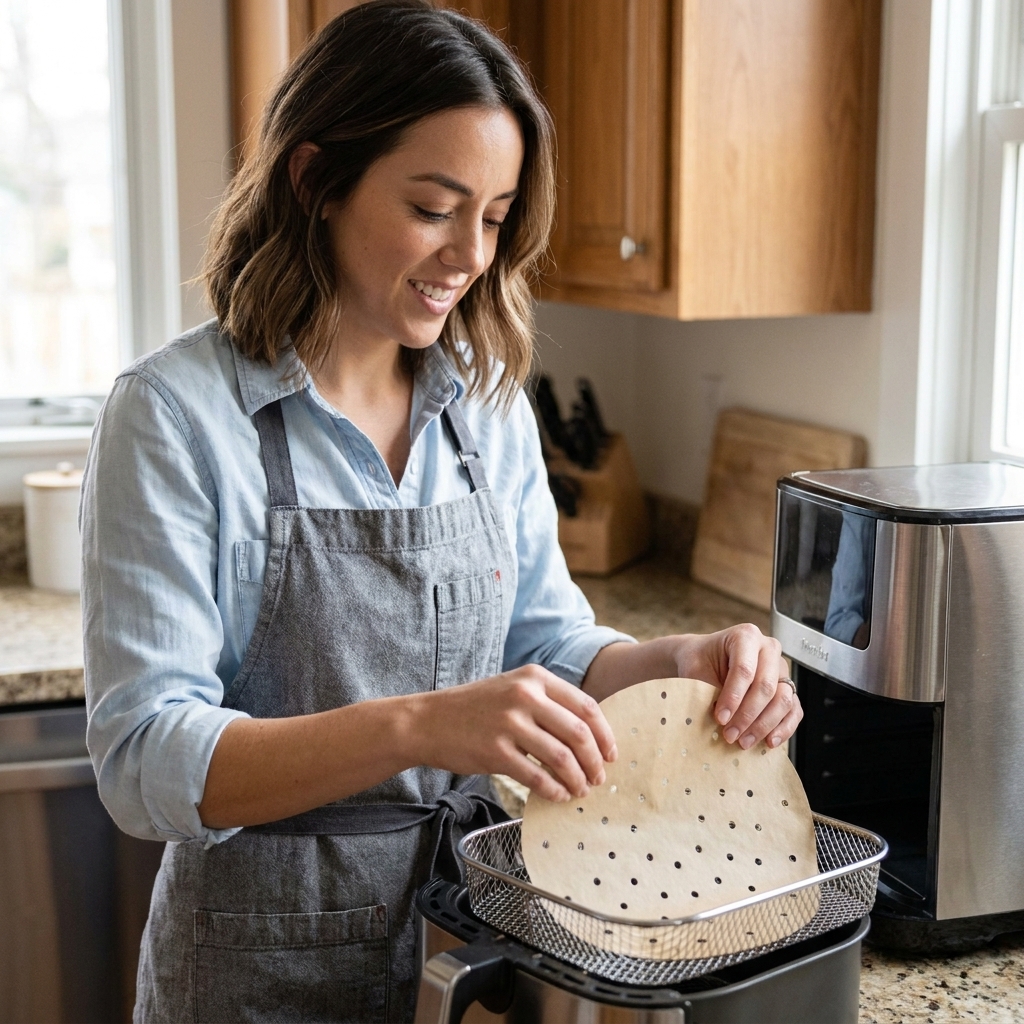
Use perforated parchment
Those little holes are not just for looks. They let hot air reach the underside of your food so you still get browning. If you only have regular parchment, you can still use it, but expect less crisp on the bottom.
Best for
- Sticky glazed foods like honey garlic wings or teriyaki salmon
- Delicate fish filets, crab cakes, or flaky pastries
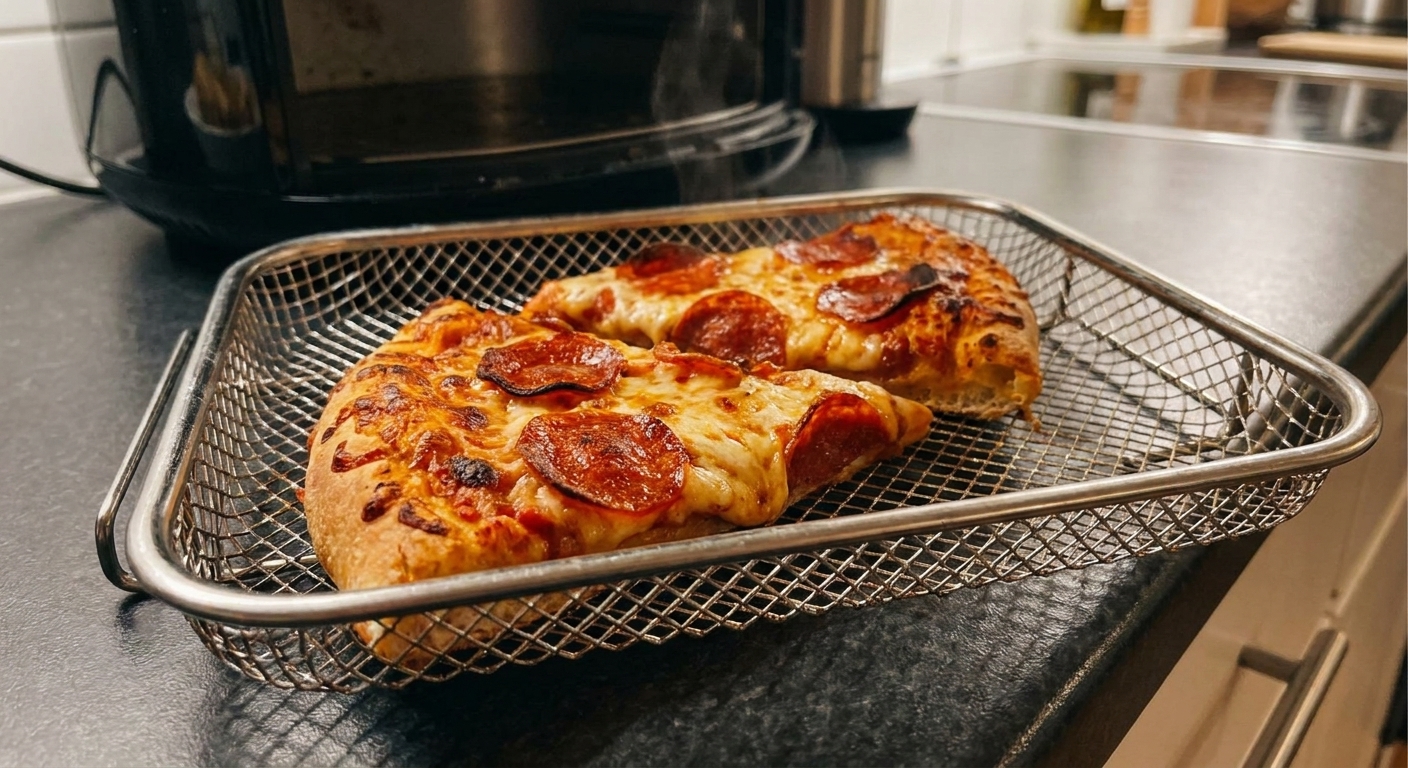
- Cheesy items like mozzarella sticks, especially if they are prone to leaking
- Foods with wet batter or very soft dough (think: air fryer donuts)
Parchment safety rules
- Never preheat with parchment alone. Lightweight parchment can lift and hit the heating element.
- Always anchor it with food. Put the parchment in, then immediately place food on top.
- Trim to fit. A huge sheet that climbs the sides blocks airflow and can scorch.
- Check the temperature rating. Many brands are rated somewhere in the 400 to 450°F range, but it varies, so check the box and keep an eye on the edges if you are cooking hot.
My rule: if parchment is flapping, it is not staying.
A note on parchment “cups”
Those bowl-like parchment liners with tall sides can be handy for saucy food, but they also block airflow more than flat, perforated rounds. If your goal is crisp, keep the sides low, do not overfill, and consider switching to perforated parchment once the messiest part of the cook is over.
Aluminum foil
Foil is not the enemy. It is just easy to use in a way that defeats the air fryer’s whole purpose. Foil is non-porous, so it can block air from reaching the underside of your food if it covers the basket’s holes or creates a sealed tray. Used in small, intentional pieces, it is incredibly useful.
Best for
- Messy marinades and sugary sauces that burn onto the basket
- Fatty foods where you want easier cleanup (sausages, burgers, bacon pieces)
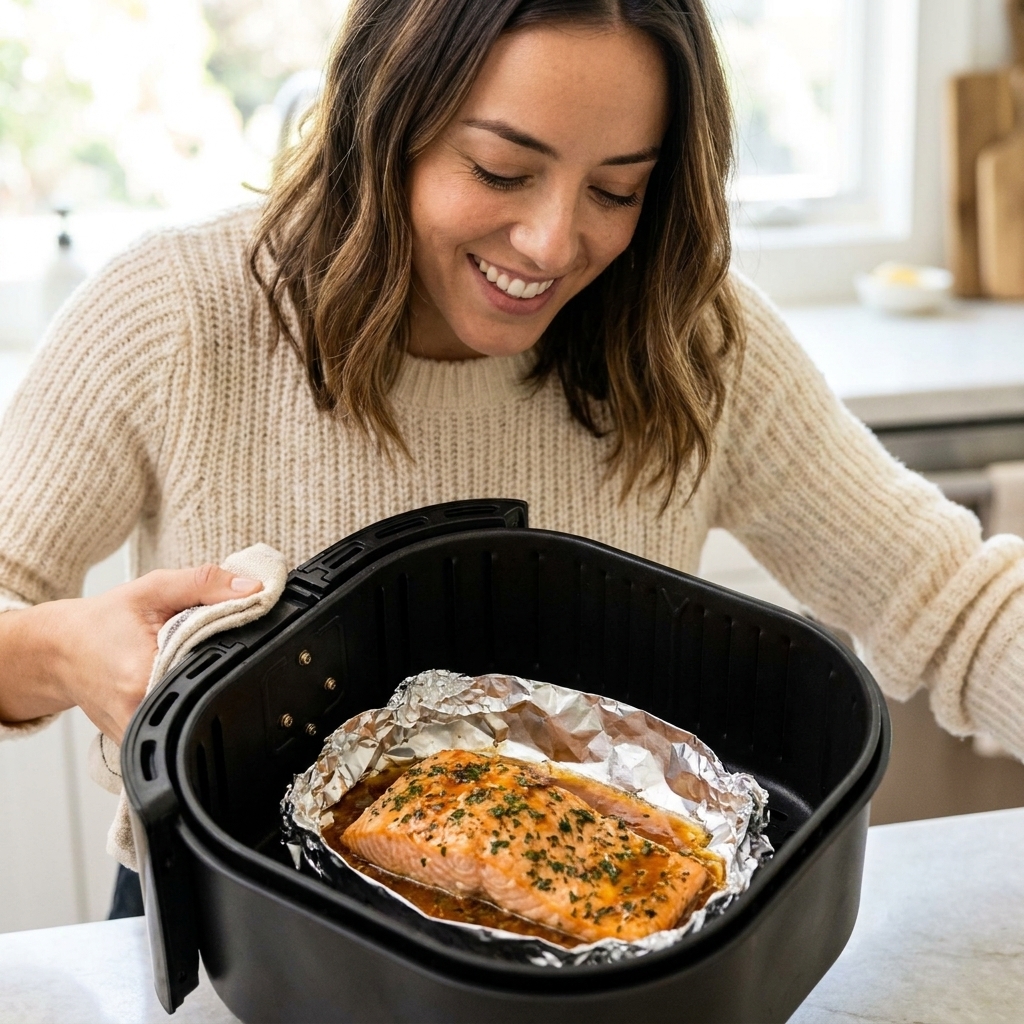
- Foil boats for fragile items, like stuffed mushrooms or fish with toppings
- Reheating saucy leftovers where drip control matters
Foil safety rules
- Do not cover the basket holes. Use foil only under the food, leave space around the edges, and avoid sealing the bottom like a pan.
- Do not let foil touch the heating element. Keep it low and tucked.
- Weigh it down. Food should hold it in place so it cannot flutter.
- Avoid long contact with very acidic foods. Lots of lemon juice, vinegar, or tomato sauce can pit or discolor foil and sometimes give a faint metallic taste. Use parchment or a small oven-safe dish instead when that is a concern.
The foil boat method
Tear a piece of foil slightly larger than your food. Fold up the edges 1/2 inch to 1 inch to make a shallow tray. Then set it in the basket with space around it so air can still circulate. This keeps drips contained without suffocating the whole basket.
Which should you choose?
Here is the decision tree I use on busy nights:
- Want the crispiest results? Go bare basket.
- Food is sticky, delicate, or cheesy? Use perforated parchment.
- Food is saucy, sugary, or very drippy? Use foil, ideally as a partial liner or boat.
- Cooking something light that might blow around? Bare basket, or parchment anchored firmly by heavier food.
Common mistakes
Mistake 1: Preheating with parchment
This is the big one. If parchment lifts, it can singe fast. Preheat bare, then add parchment with food on top.
Mistake 2: Using a liner to fix overcrowding
Liners do not solve crowding. If anything, they make it worse by trapping steam. Cook in batches for true crisp.
Mistake 3: Lining the bottom drawer
Some air fryers have a lower drawer or pan where grease collects. Follow your manufacturer’s instructions closely. Many brands warn against lining the bottom because it can disrupt airflow and cause uneven cooking.
Mistake 4: Expecting a liner to prevent all smoking
Smoke is usually from fat hitting hot metal or sugary sauce burning. A liner can help, but so can trimming excess fat, lowering temperature slightly, and cleaning the air fryer thoroughly between greasy cooks.
Silicone liners
You did not ask, but I know your group chat will. Reusable silicone liners can be convenient, especially for sticky foods, but they can also trap moisture and reduce crisp on the bottom because they are thicker than parchment.
- Great for: saucy wings, reheating messy foods, anything where you prioritize cleanup.
- Not my favorite for: fries, breaded chicken, or foods where “shatter-crisp” is the goal.
If you use silicone, look for designs with ridges or channels that let grease drain away from the food.
FAQ
Can I put aluminum foil in an air fryer?
Yes, as long as it is weighed down, kept away from the heating element, and not used in a way that blocks the basket’s air holes.
Can I use parchment paper in an air fryer?
Yes. Use perforated parchment when you can, trim it to fit, and never run the air fryer with parchment inside unless food is holding it down.
Does lining the basket change cook time?
Sometimes. A liner can reduce browning and slow crisping, especially underneath. If you use parchment or foil and your food looks pale, add 1 to 3 minutes or increase temperature by 10 to 15°F, then check frequently.
What is the best liner for wings?
For super crispy wings: bare basket. For sticky glazed wings: perforated parchment or a foil boat to catch the caramelized drips.
What is the best liner for fish?
Parchment is the easiest win for delicate fish. It helps prevent tearing and makes cleanup painless.
My bottom line
If crisp is your priority, go bare basket and keep it clean. If your food is sticky or fragile, reach for perforated parchment. If you are dealing with a sauce situation that would otherwise weld itself to your basket, foil is your friend, just do not smother the airflow.
And if you ever accidentally send parchment flying during preheat, welcome to the club. I have turned one marshmallow into a full science experiment in there. We learn, we laugh, we eat.