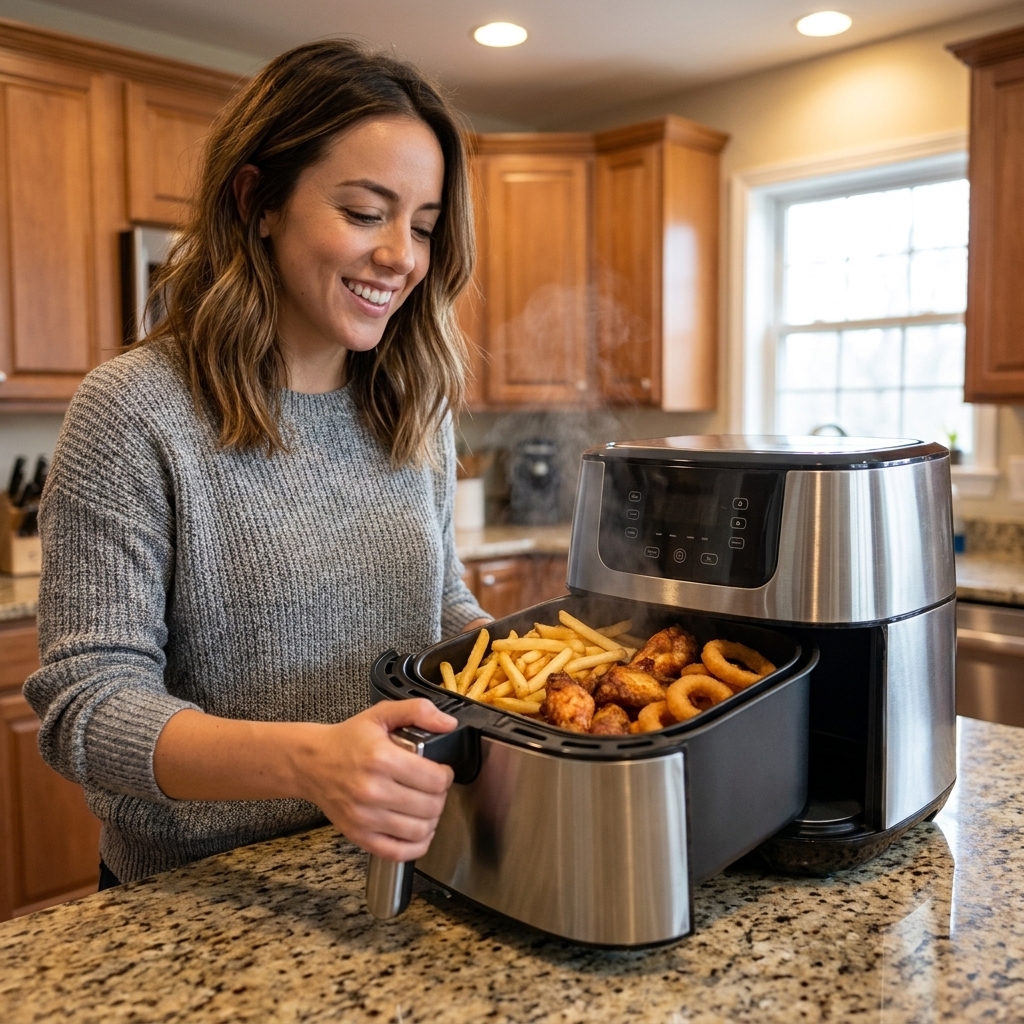
I used to treat preheating my air fryer like a moral obligation. Then I became a mom, got interrupted mid-preheat approximately one million times, and realized something important: sometimes preheating makes a real difference, and sometimes it is just a speed bump between you and dinner.
Let’s break down what is actually happening inside the basket, which foods truly benefit, and how to get the crunch you want whether you preheat or not.
What preheating does
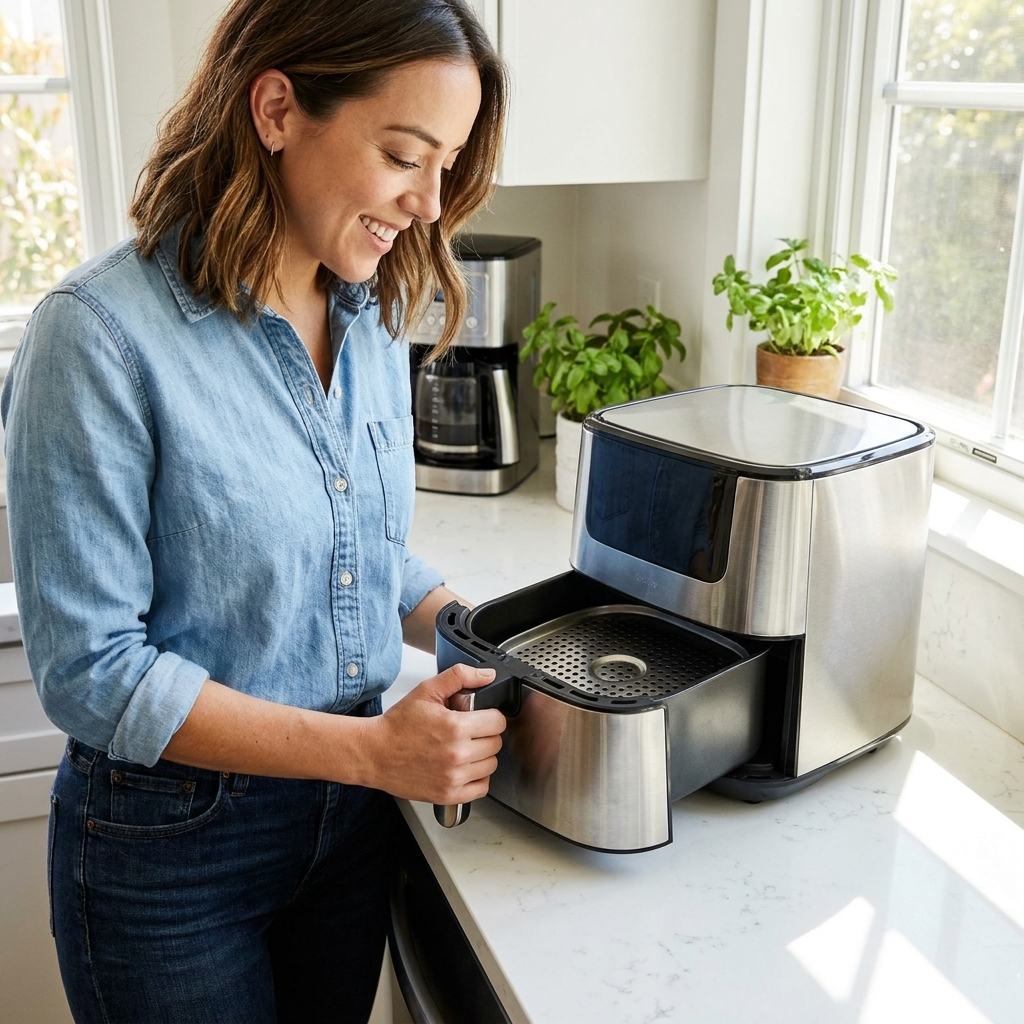
An air fryer is basically a small convection oven: a heating element plus a fan that circulates hot air rapidly around your food. Preheating simply means the basket and the air inside are already hot when the food goes in.
Why it matters
- Faster surface drying: Moisture on the outside evaporates sooner, which is the first step to crisping.
- Better early browning: Foods start sizzling right away instead of slowly warming up.
- More predictable timing: If a recipe was tested with a preheat, your cook time will usually match more closely.
Think of preheating like stepping onto a hot skillet instead of a cool one. Same destination, different road.
My weeknight rule
Preheat when you care about a crisp exterior right away. Skip it when the food is thick, wet, or mostly needs time to heat through rather than brown.
My 80/20 rule: If the food is breaded, battered, pastry-like, or you are reheating something you want crunchy, preheat. If it is raw veggies, thick proteins, or “dump-and-cook” frozen basics, you can often skip.
Foods that love preheating
These are the categories where preheating is often the difference between “pretty good” and “why is this so crispy with barely any oil?”
1) Breaded foods
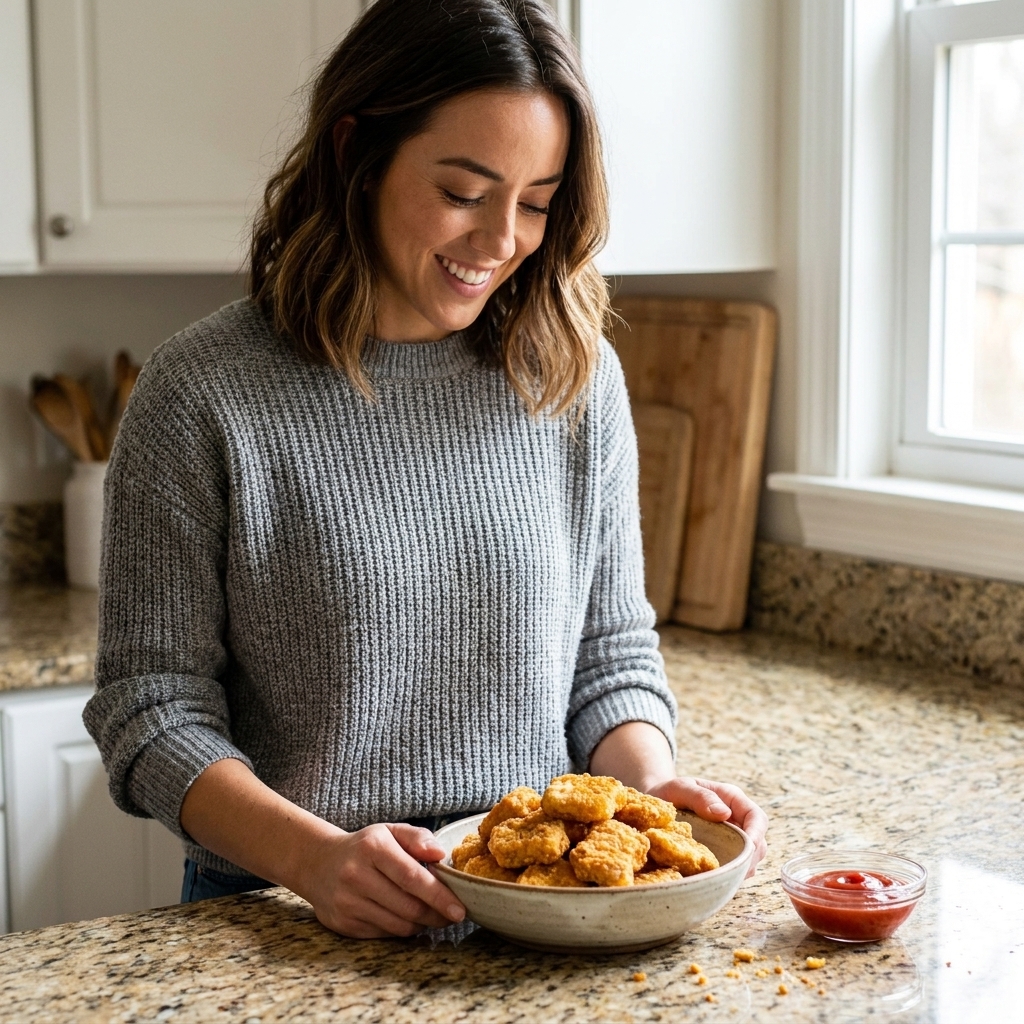
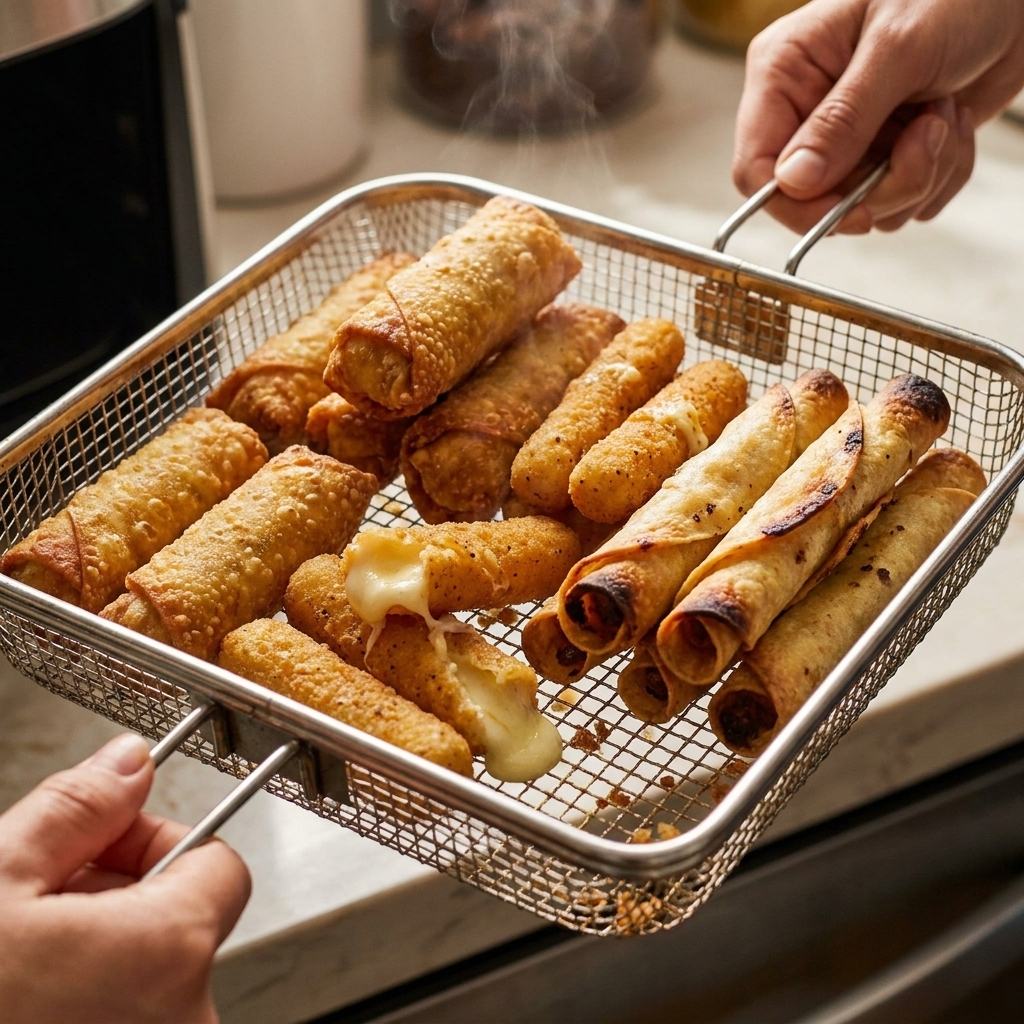
Chicken tenders, nuggets, breaded pork chops, mozzarella sticks, fish sticks. Preheating helps the coating set quickly so it crisps instead of soaking up moisture and going soft.
- Preheat: Yes, about 3 to 5 minutes.
- Why: You want that instant sizzle moment so the breading starts drying and browning early.
2) Frozen snack foods
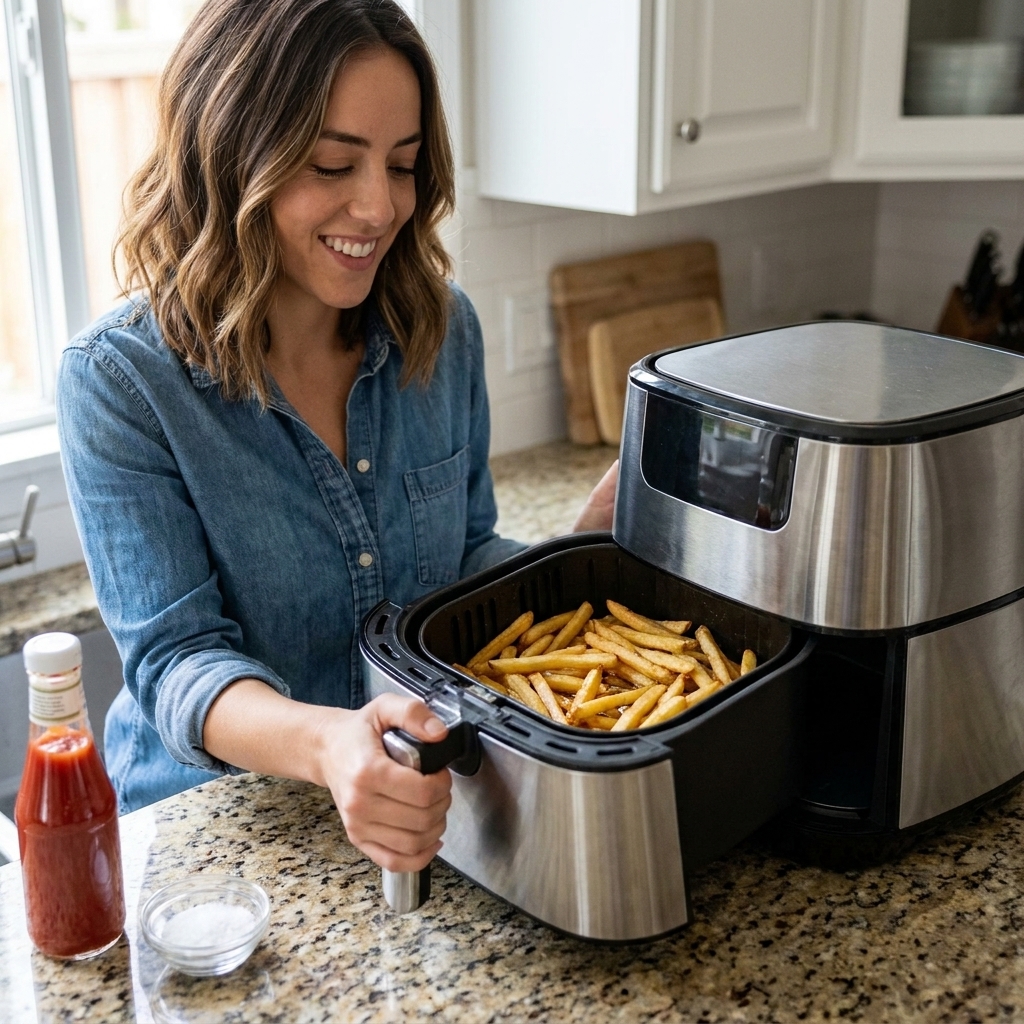
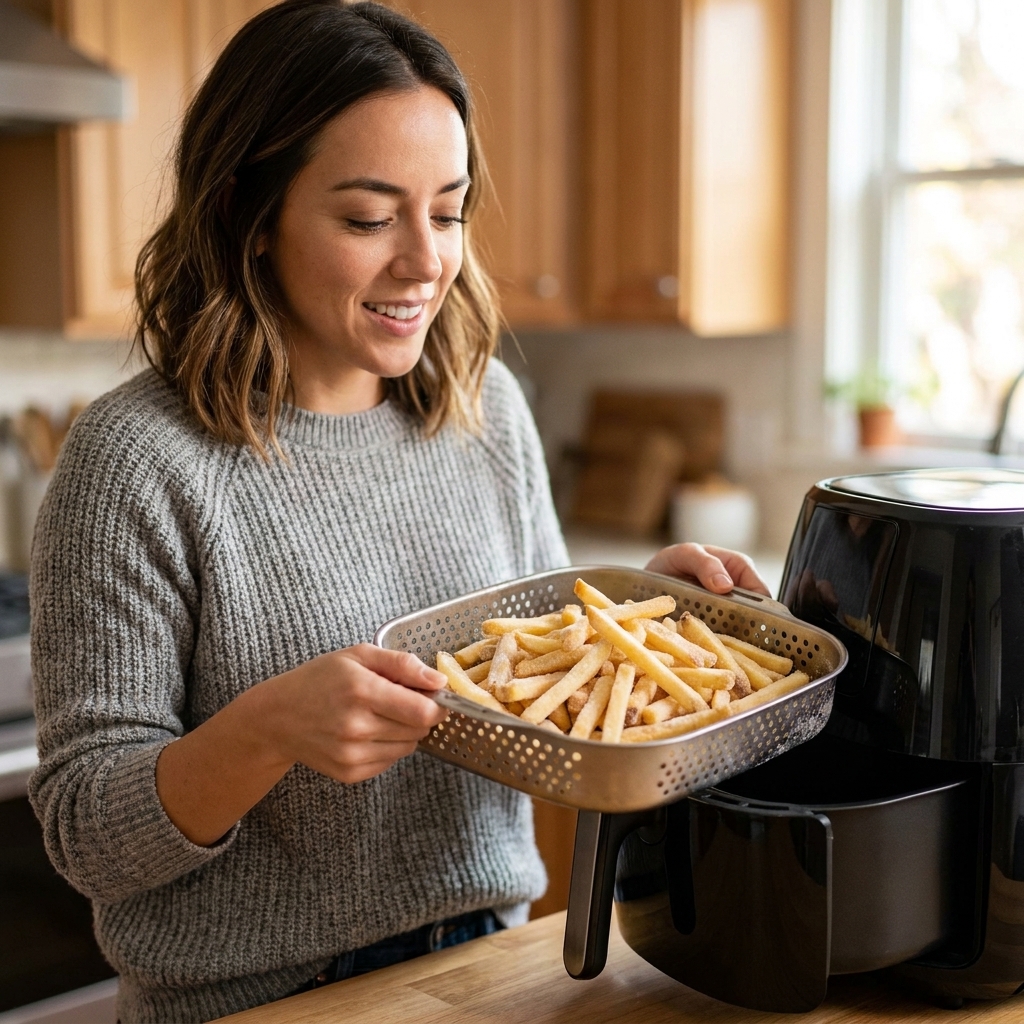
Tater tots, fries, hash browns, pizza rolls, frozen spring rolls. These already have oil in or on them, and they tend to crisp best when they hit a hot basket.
- Preheat: Yes, especially for fries and tots.
- Bonus tip: If you skip preheating, shake or toss earlier than usual to help browning stay even.
3) Pastry-style items
Hand pies, puff pastry bites, crescent roll dough, frozen biscuits. Starting hot helps with lift and browning.
- Preheat: Yes.
- Watch out: Air fryers can run hot. If your pastry is browning too fast, drop the temp 15 to 25°F.
4) Reheating foods you want crispy
Leftover pizza, fried chicken, egg rolls, quesadillas, roasted potatoes. Preheating cuts down the time food spends warming up and steaming.
- Preheat: Often yes.
- Result: Better crust, less chewiness.
Foods that can skip preheating
Skipping preheating does not mean your food will be bad. It just means the first few minutes act like a gentle warm-up, and you might need a small timing tweak depending on your model.
1) Roasted vegetables
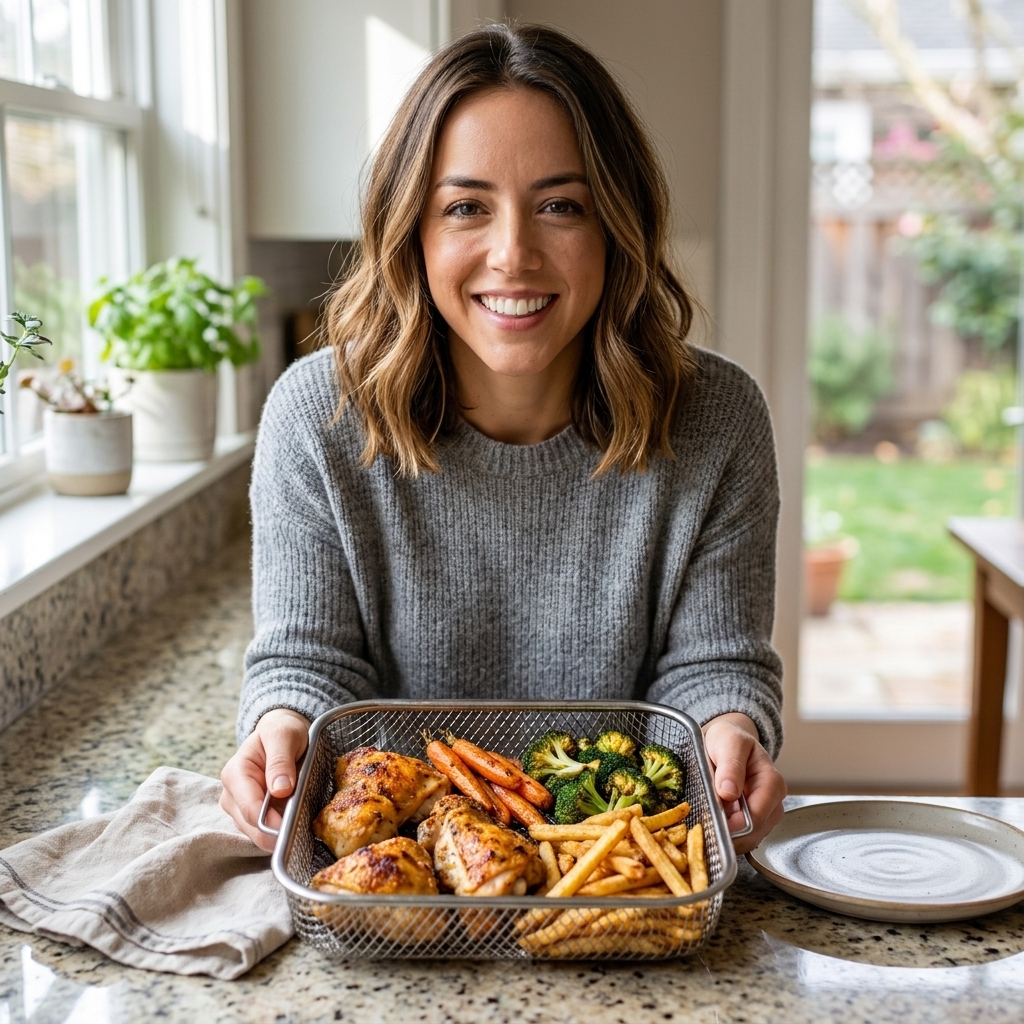
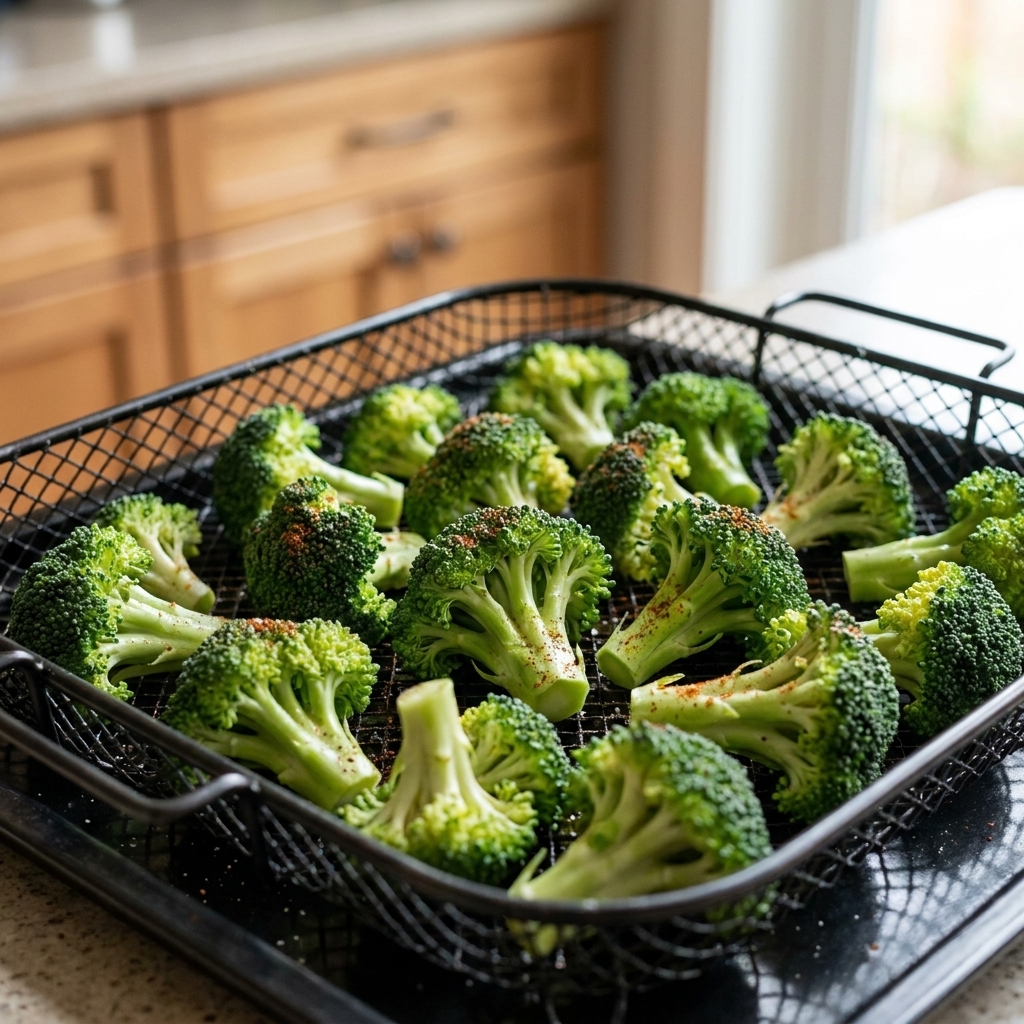
Broccoli, cauliflower, Brussels sprouts, green beans, zucchini. You can preheat if you want extra char, but on busy nights I usually skip it.
- Skip preheat: Typically fine.
- If you want more browning: Preheat and keep veggies dry. Water is the enemy of crisp edges.
2) Thick proteins
Chicken breasts, thick salmon fillets, pork tenderloin medallions. These need steady heat through the middle, so preheating is less make-or-break than it is for breading or fries.
- Skip preheat: Often okay.
- Exception: Thin cutlets or skin-on thighs, where you want a fast jump-start on browning and rendering.
3) Everyday frozen basics
Frozen chicken patties, frozen burgers, frozen veggie burgers. They will still cook through without a preheat. You may just need a bit more time for color.
- Skip preheat: Fine.
- Add: Usually 1 to 3 minutes total if you want deeper browning.
4) Saucy or glazed foods
Sticky wings, sauced meatballs, teriyaki salmon. If the sauce is sugar-heavy, starting from blazing hot can make it darken fast before the inside is ready.
- Skip preheat: Often the safer move for sugary sauces.
- Better move: Cook mostly plain first, then glaze in the last few minutes.
What actually changes
You do not need a lab to see the pattern. In many air fryers, preheating mostly changes what happens early in the cook, often in the first few minutes. That is when the exterior dries, starts to brown, and either gets crisp or stays soft.
- With preheat: Quicker color, crisper coating, sometimes a slightly shorter cook time.
- Without preheat: More gradual browning, sometimes a slightly longer cook time, and a higher chance of a softer exterior if the food releases moisture early (hello, breading).
In practice, that means:
- Fries and tots: Preheating helps avoid that pale, “baked potato stick” vibe.
- Chicken wings: Preheating helps render skin faster, but you can still get crisp wings without it if you cook a bit longer and do a final high-heat finish.
- Veggies: Preheat can add browning, but dryness and spacing matter more than the preheat button.
How to preheat
Different machines behave differently (basket models, oven-style air fryers, heavy inserts, light inserts), so think of this as a simple starting point and adjust to your air fryer.
Quick method
- Set the air fryer to your cooking temperature (or 375°F if unsure).
- Run it empty for about 3 minutes for smaller baskets, about 5 minutes for larger drawer styles.
- Add food immediately, then start your timer.
If your air fryer has a preheat button
Use it, but know that some models default to a generic time and temp. If it preheats lower than your recipe temp, you may not get the full crisping benefit.
Basket placement
For drawer and basket-style models, preheat with the basket and insert in place. You want that metal hot, not just the air. For oven-style air fryers without a removable basket, preheating simply means letting the cavity and trays heat up before you load food.
A quick manual note
Some manufacturers discourage running an empty unit for long stretches. A short preheat is usually fine, but your manual gets the final say.
If you skip it
Sometimes skipping preheat is the only way dinner happens. Here’s how to do it without sacrificing results.
Add a little time, then check
- Add 1 to 3 minutes as a typical adjustment, then keep an eye on it. (Some air fryers barely need extra time, others do.)
- Check at the original time anyway if you are worried about overcooking. Air fryers vary a lot.
Use the two-stage trick
This is my go-to for wings, reheating pizza, and anything breaded when I forgot to preheat:
- Cook at 350°F for a few minutes to warm through.
- Finish at 390 to 400°F to crisp the outside.
Shake, flip, or rotate sooner
When the basket starts cold, food can sit in its own moisture longer. Moving it earlier helps expose damp spots to airflow.
Do not overcrowd
This matters more than preheating. Air fryers crisp by moving hot air around. If you stack food, you are basically steaming it.
Common questions
Is preheating required?
No. It is optional for most foods. It is most helpful for breaded foods, frozen snacks, pastry-style items, and reheating items you want crunchy.
Does preheating change internal doneness?
Usually not by much. It mostly changes exterior texture and timing predictability. Thick foods still take time for heat to reach the center.
Should I preheat with the basket in or out?
For drawer and basket models, basket in. You want the basket and crisper plate hot. For oven-style air fryers, preheat with your tray or rack in place if that is how you normally cook.
Can I preheat with parchment paper inside?
Do not preheat with loose parchment in an empty air fryer. The fan can lift it into the heating element. If you use parchment, add it with food on top so it stays weighted down.
Why does food cook faster when I preheat?
Because you remove the warm-up phase. If a recipe was written assuming a cold start, preheating can shave off a couple minutes. Start checking early the first time you try any new recipe in your machine.
My air fryer says “no preheat needed.” Is that true?
It is true in the sense that it will still cook food safely. But for peak crispiness, many people still notice improvements for certain foods when they preheat.
Do I need to worry about doneness?
Yes, especially for poultry and thick meats. When in doubt, use a thermometer. Chicken should reach 165°F in the thickest part, and leftovers should be reheated until steaming hot.
My bottom line
If you have time to preheat, do it for breaded foods, frozen fries and tots, pastry-style items, and reheating anything you want crunchy. If you are air frying veggies, thick proteins, or sugary saucy foods, you can usually skip it and plan for a small timing adjustment.
And if you ever forget and the fries come out a little sad? Crank the heat for the last 2 minutes, give the basket a good shake, and tell yourself what I tell myself: perfection is not the goal, dinner is.