If you have ever tossed a bag of frozen broccoli into the air fryer and pulled out something that looks roasted but eats like steamed sadness, you are not alone. Frozen vegetables carry extra surface ice, and as that ice melts it can turn your basket into a tiny humid sauna. The fix is not complicated, but it does require one thing most people skip: a quick heat progression to evaporate moisture before you ask your veggies to brown.
This is the method I use on busy weeknights when I need a reliable side that does not require babysitting a sheet pan. It works for almost any frozen vegetable, from green beans to stir-fry blends, with a few veggie-specific tweaks.
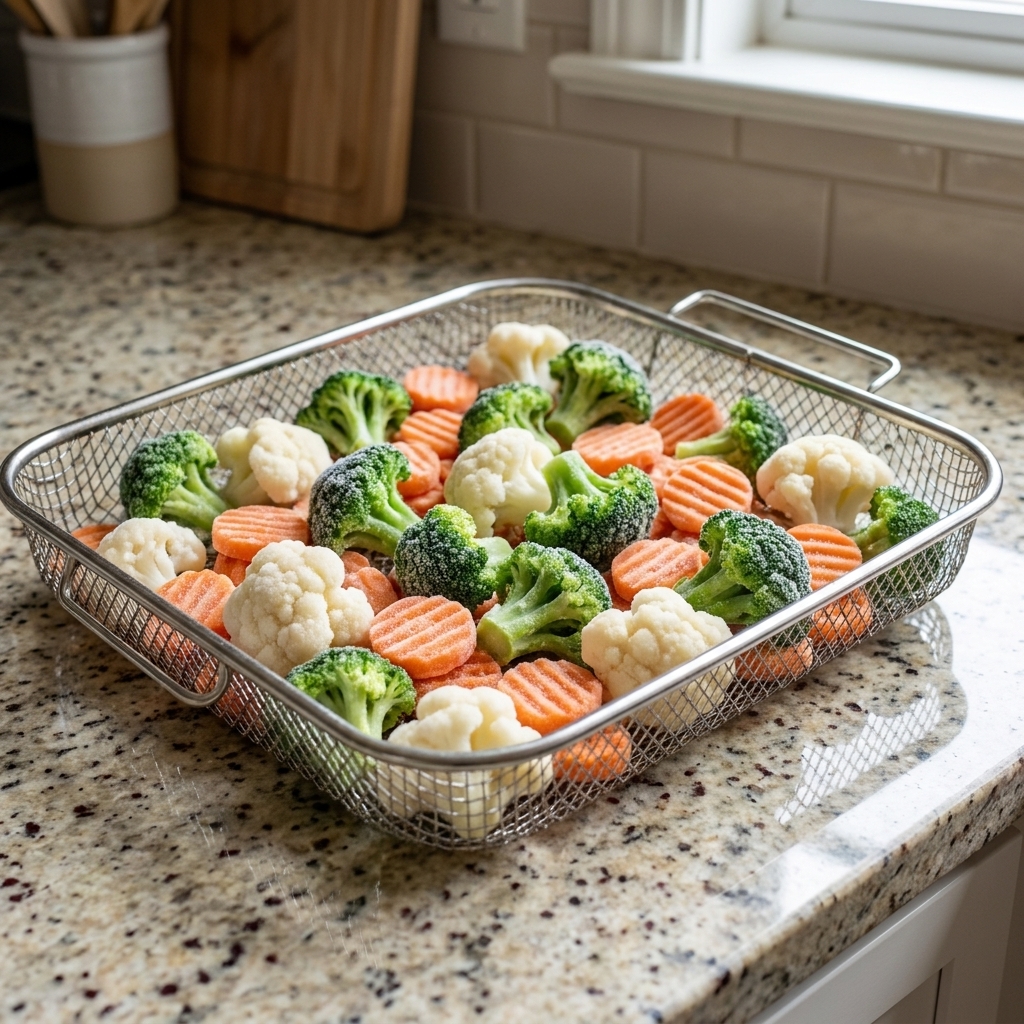
Why frozen veggies go soggy
Air fryers are great at crisping because they move hot air fast. The catch is moisture. Frozen vegetables have:
- Surface ice that melts quickly and can pool in the basket.
- High internal water content that releases steam as the veggie heats through.
- Cold temperature that slows browning during the first few minutes.
If you add oil and salt too early, you can end up coating a wet surface. Salt also pulls moisture outward. The result is more steaming than roasting, and you get pale, soft pieces that never quite develop that roasted bite.
One more expectation setter: a lot of frozen veg is blanched (par-cooked) before freezing. You can absolutely get browned edges, but some types will never get quite as crisp as fresh.
The Crispy Frozen Veg Method
Here is the core technique. I call it Dry, Dress, Finish.
Step 1: Preheat hot
Preheat to 400°F for at least 3 minutes. If your air fryer runs cool or is extra large, go 5 minutes. Starting hot helps evaporate surface moisture fast.
Step 2: Dry roast first (no oil, no salt)
Put frozen vegetables in the basket straight from the freezer in an even layer. Cook at 400°F for 5 to 8 minutes, shaking once halfway.
This first phase is about driving off water. Expect some steam. That is the point.
Step 3: Dump, blot, and reset
After the first phase, pour the veggies into a bowl. If there is visible water in the bottom of the basket, carefully wipe out any pooled water with a paper towel (careful, it is hot). If the veggies look wet, blot lightly with a paper towel. You are not drying them to dust. You are just removing that slick layer that blocks browning.
Work quickly so the basket stays hot. That heat helps you get from steaming to roasting faster.
Step 4: Dress quickly
Toss in the bowl with:
- 1 to 2 teaspoons oil per 12 ounces (avocado, canola, light olive oil)
- Seasonings (see ideas below)
Hold most of the salt until the end for maximum crisp. Salt pulls moisture to the surface.
Step 5: Finish to brown and crisp
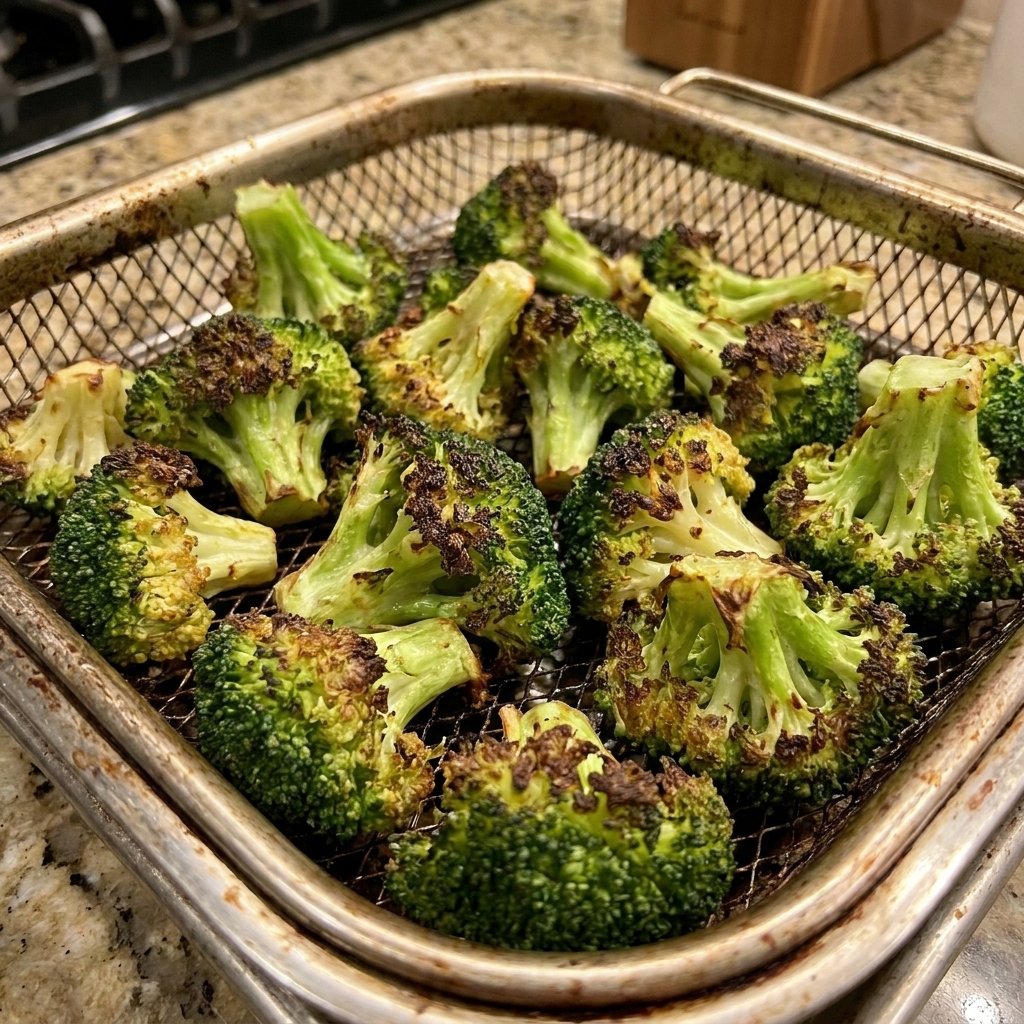
Return veggies to the basket and cook at 400°F for 4 to 10 minutes, shaking once or twice, until you see browned spots and the edges look dry and slightly crisp.
Rule of thumb: the smaller the pieces, the faster they finish. Thin green beans finish quickly. Big broccoli florets need longer.
Doneness cue: you want them hot throughout (not just warm on the outside), then browned to your preference.
Cook times by veggie
Use these as reliable starting points for a standard 4 to 6 quart basket-style air fryer. If your model is smaller or you are crowding the basket, add a few minutes and shake more often.
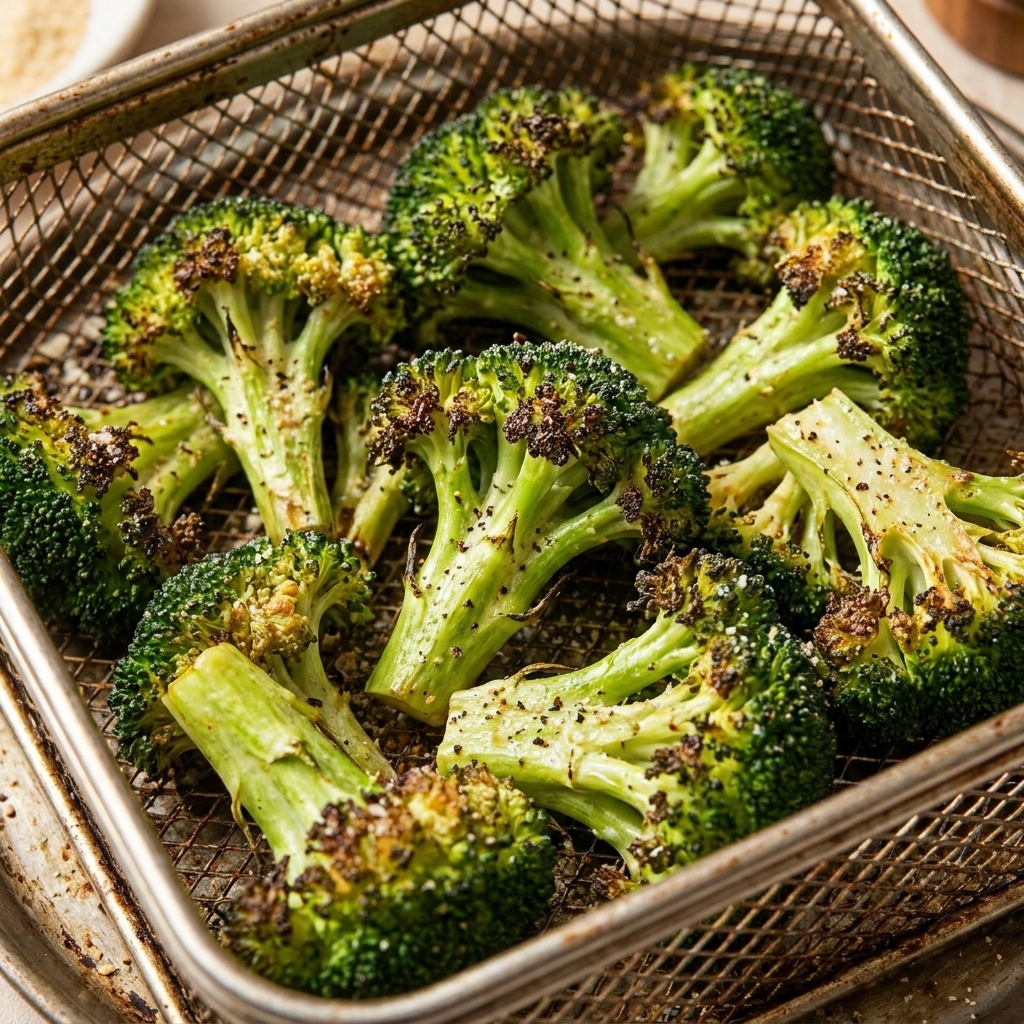
Broccoli and cauliflower
- Dry roast: 400°F for 6 to 8 minutes
- Finish: 400°F for 6 to 10 minutes
- Best tip: If your florets are huge, break them up a bit after the first phase. More surface area equals more crisp.
Green beans
- Dry roast: 400°F for 5 to 6 minutes
- Finish: 400°F for 4 to 7 minutes
- Best tip: They go from crisp-tender to wrinkly fast. Start checking early.
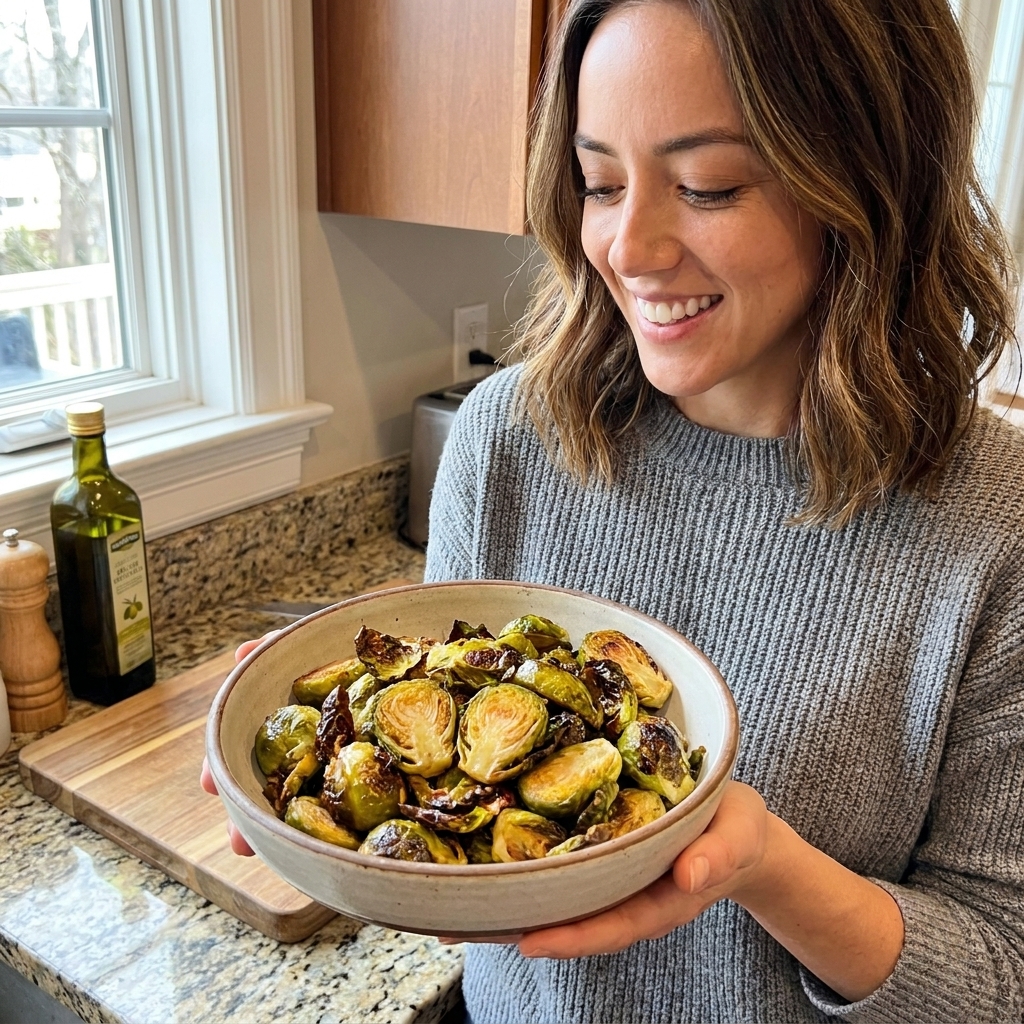
Brussels sprouts (frozen)
- Dry roast: 400°F for 7 to 9 minutes
- Finish: 400°F for 8 to 12 minutes
- Best tip: After dry roasting, slice any larger sprouts in half before finishing. If they are browning fast but still feel firm in the center, drop the temp to 375°F for a couple minutes to help the insides catch up.
Mixed vegetables
- Dry roast: 400°F for 5 to 7 minutes
- Finish: 400°F for 4 to 8 minutes
- Best tip: Expect less crisp if the mix includes peas or corn. They are naturally higher in sugar and moisture. You can still get browning on carrots and green beans in the mix.
Stir-fry blends
- Dry roast: 400°F for 6 to 8 minutes
- Finish: 400°F for 5 to 9 minutes
- Best tip: Keep seasoning simple and finish with sauce off-heat. Sauces in the air fryer equal steaming.
Leafy greens
Most frozen leafy greens are meant for sautéing and tend to shed a lot of water. You can air fry them, but the goal is more toasty edges than true crisp.
- Dry roast: 375°F for 6 to 8 minutes
- Finish: 375°F for 3 to 6 minutes
- Best tip: Use parchment with holes if you have it, and shake often to prevent clumps.
The spacing rule
If you remember one thing, make it this: steam needs somewhere to go.
- Single layer is ideal. A little overlap is fine, a piled mound is not.
- Do not pack the basket to the top. The top layer blocks airflow for the bottom layer.
- Cook in two batches if you want actual roasted edges for a full family-size bag.
Yes, two batches is mildly annoying. It is still easier than scrubbing a sheet pan, and the texture payoff is real.
Basket vs. oven-style
This method is written for basket-style air fryers, where water is most likely to pool under the food. In oven-style air fryers with trays, moisture can still hang around, especially with dense vegetables.
- Basket-style: wiping out pooled water after the dry roast makes a big difference.
- Oven-style/tray-style: use a perforated tray if you have it, rotate trays halfway, and consider switching trays if one gets wet from runoff.
Seasoning that stays crisp
The best seasoning timing is after the first dry roast. Here are my go-to combos that do not sabotage browning.
Simple and kid-friendly
- Oil + garlic powder + a tiny pinch of paprika
- Finish with salt and a squeeze of lemon
Parmesan vibe
- Oil + Italian seasoning + black pepper
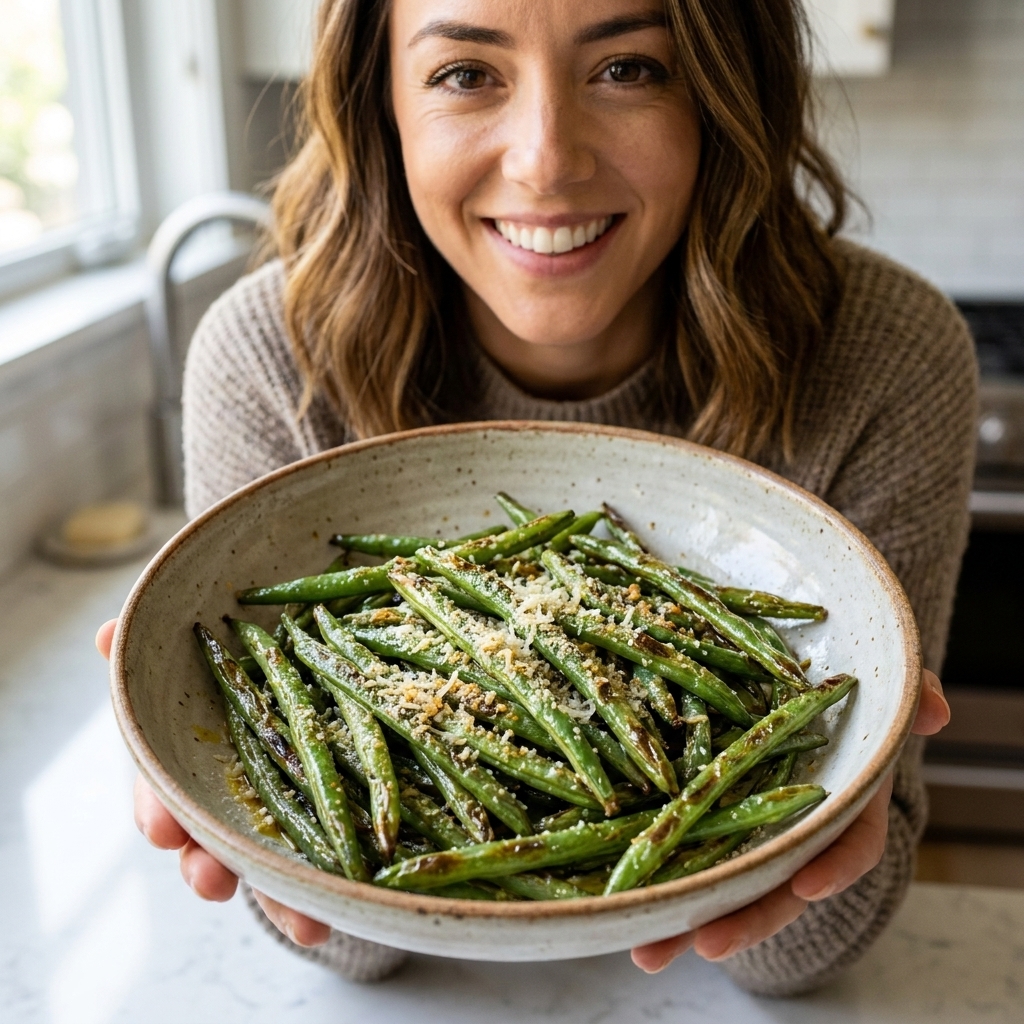
- Finish with grated Parmesan right after cooking so it melts but does not burn
Taco-night side
- Oil + cumin + chili powder + garlic powder
- Finish with salt and lime
Asian-inspired (no sog)
- Oil + toasted sesame seeds (optional)
- Finish with a small drizzle of soy sauce after cooking, not during
Do you need oil?
You do not need oil to cook them through, but you usually need a little oil to get that roasted finish. Oil helps with:
- Surface browning and crisp edges
- Flavor carry so seasonings stick
- Even cooking on veggies with dry spots after defrosting
For most bags, 1 to 2 teaspoons is enough. If you use spray, check your air fryer manual first. Some manufacturers warn against aerosol sprays, which can contribute to coating wear or sticky buildup over time.
Common mistakes
You salted at the beginning
Fix: Salt at the end, or do a light pinch during finishing and then adjust after.
You overcrowded the basket
Fix: Two batches, or use a rack accessory if your model allows it. Shake more often.
You skipped the dry roast
Fix: Start with 5 to 8 minutes at 400°F with no oil, then dress and finish. This one change is the whole game.
You cooked at 350°F
Fix: Frozen veggies like heat. Use 400°F for most types. Lower temps drag out the steaming stage.
You used sauce in the air fryer
Fix: Air fry to crisp first, then toss with sauce in a bowl.
Quick reference
Preheat 400°F.
Dry roast frozen veggies 5 to 8 min (shake once).
Dump into bowl, wipe basket if wet.
Toss with 1 to 2 tsp oil and seasonings.
Finish 4 to 10 min at 400°F until hot throughout and browned at the edges.
FAQ
Should I thaw frozen vegetables?
Nope. Thawing usually makes them softer and wetter. Air fry straight from frozen, but use the dry roast phase to manage moisture.
Why are my vegetables still watery?
Usually one of three things: overcrowding, not wiping out the basket after the first phase, or cooking at too low of a temp. Also, some blends (peas and corn heavy) will always be less crisp than broccoli or green beans.
Can I use parchment paper?
Yes, but use perforated parchment and only after preheating. Solid parchment blocks airflow and can trap steam, which is the opposite of what we want.
How do I make broccoli extra crispy?
Do the full Dry, Dress, Finish method, and in the finishing phase, let it go until you see deep brown spots on the tips. Then hit it with lemon and Parmesan. Broccoli can take more browning than you think.
Can I cook frozen vegetables with frozen chicken or salmon?
You can, but moisture from proteins can keep veggies from crisping. If you want crisp vegetables, cook them in a separate batch, or cook the protein first, then do the veggies while the protein rests.