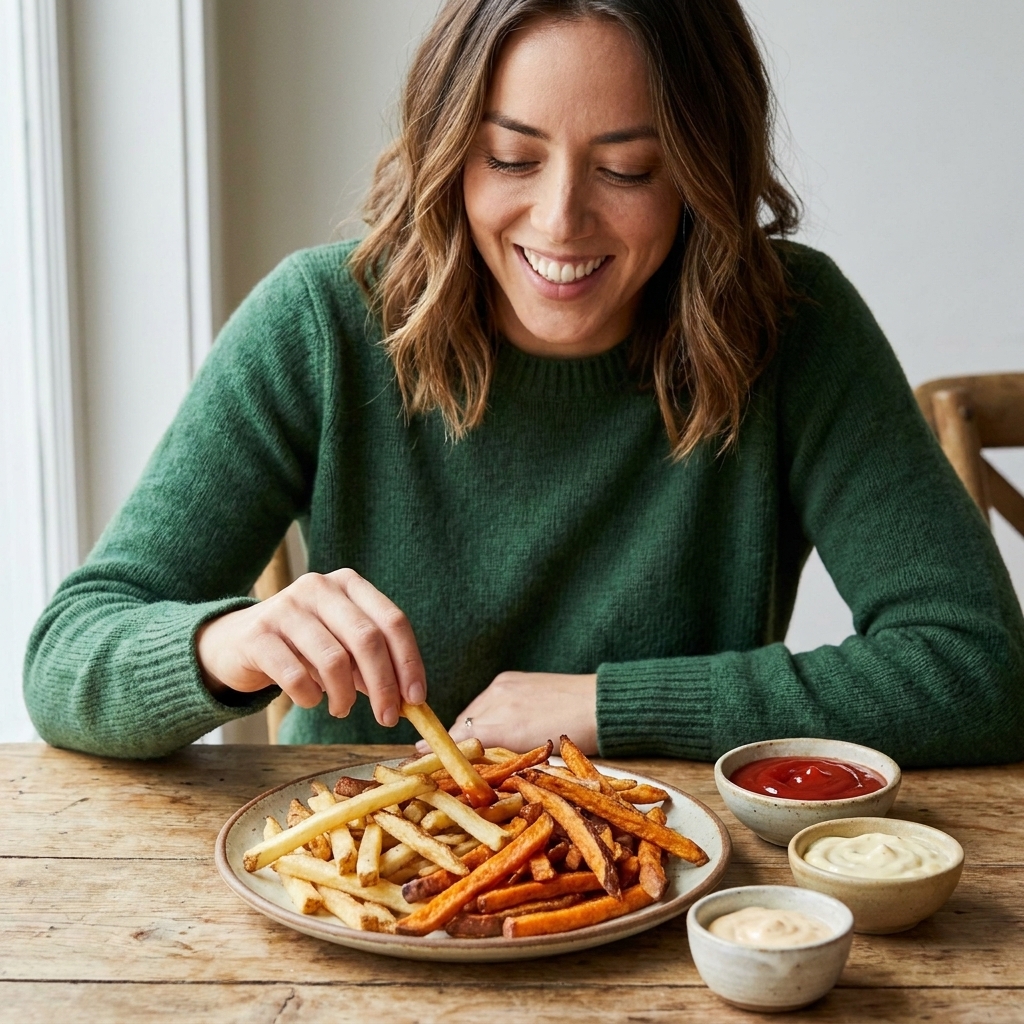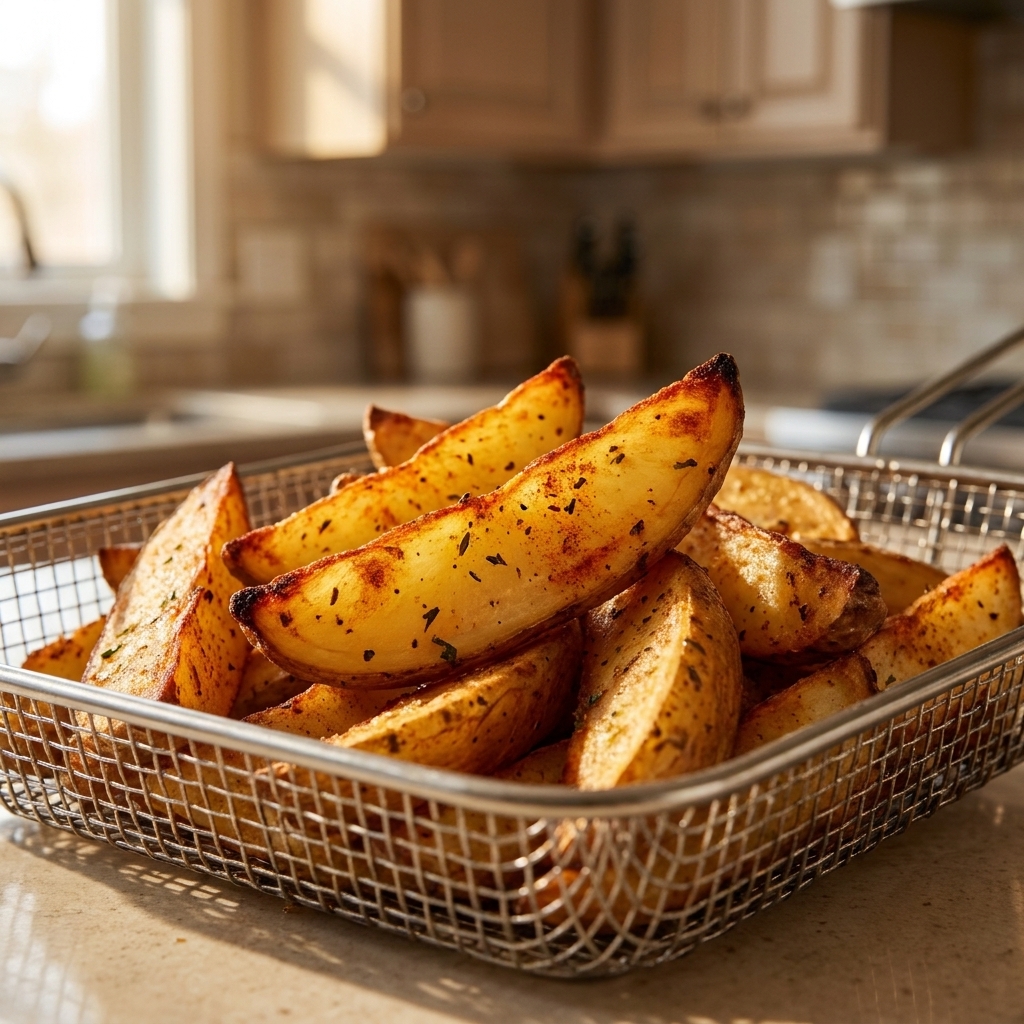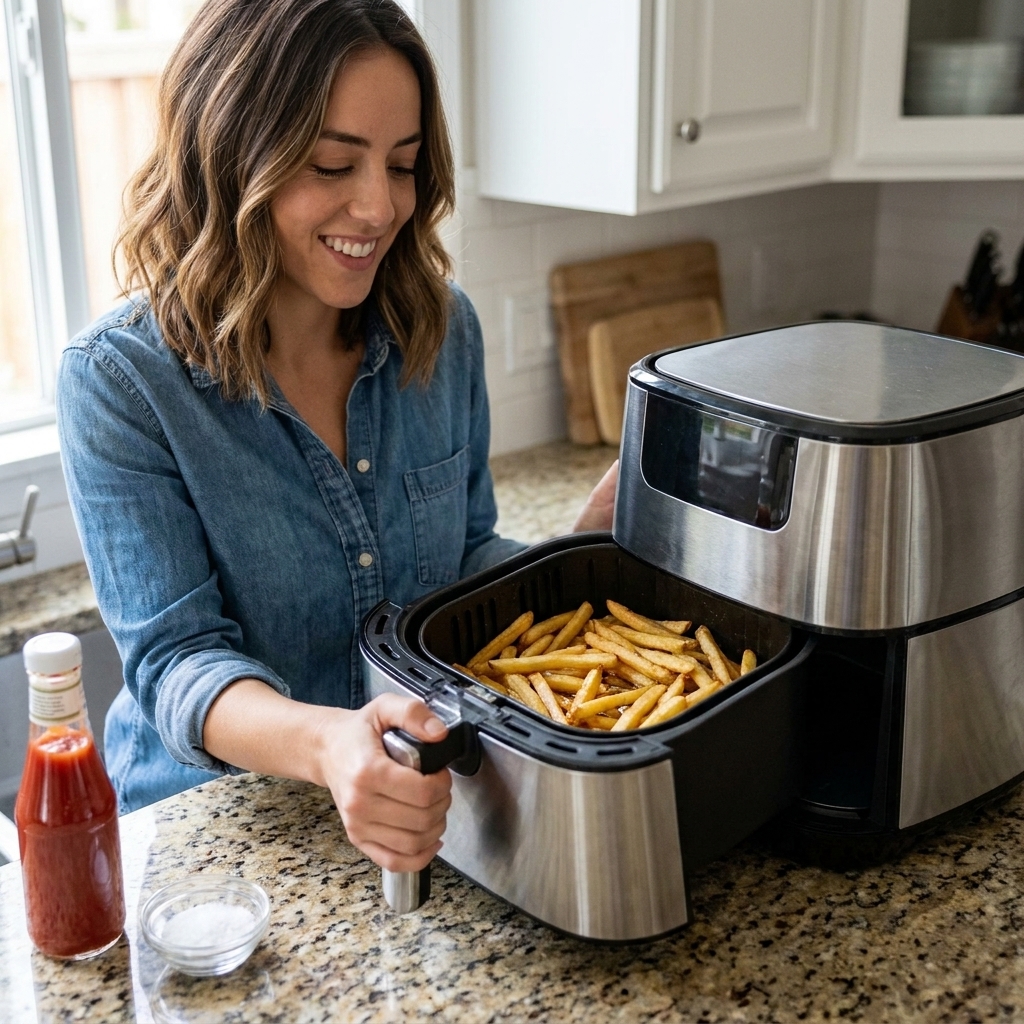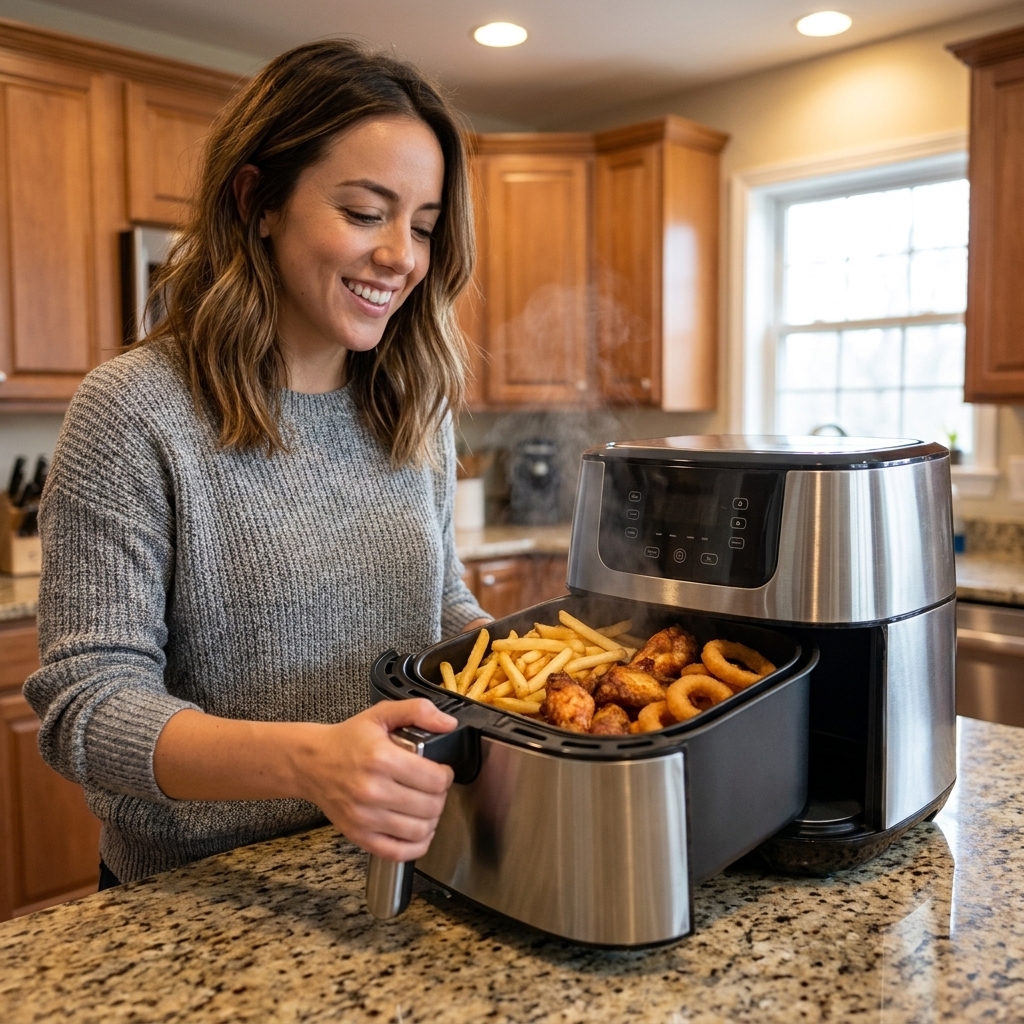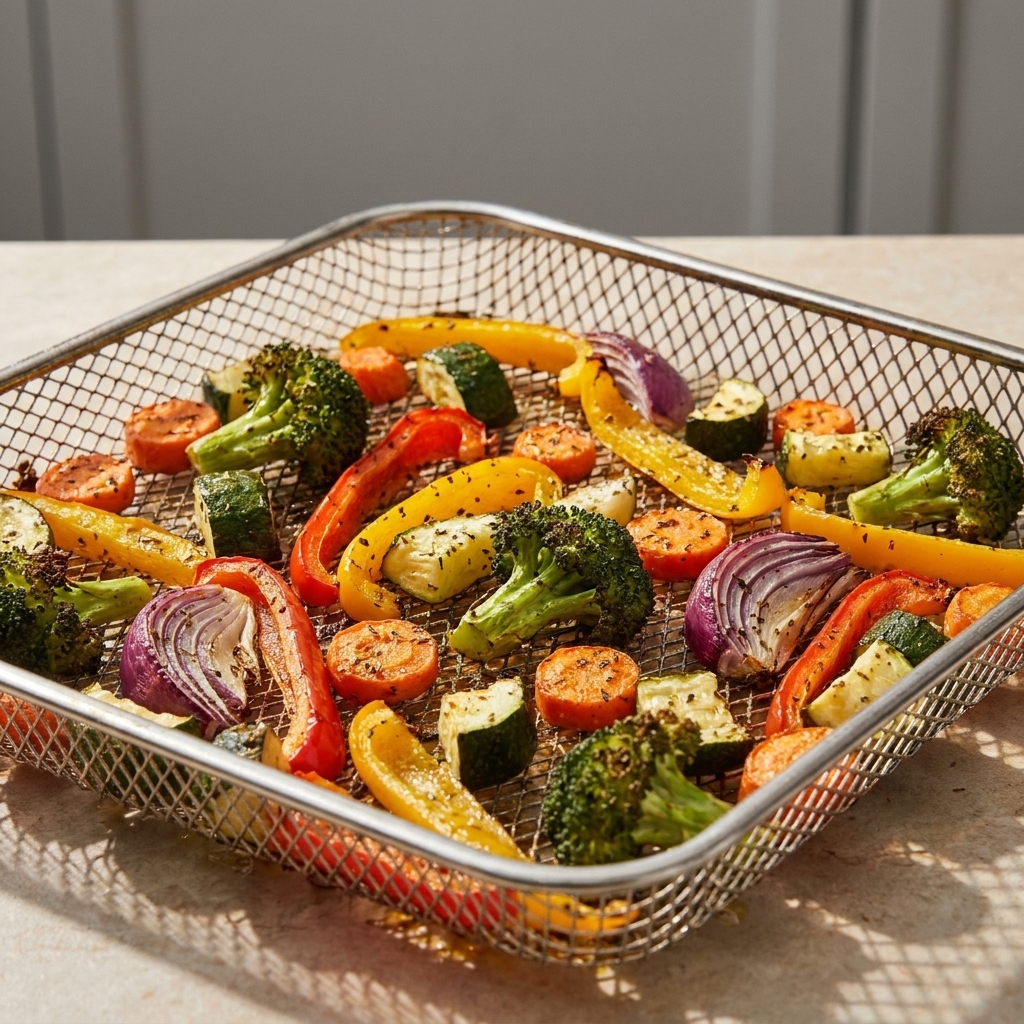
If you have ever made a batch of air fryer fries where the regular potatoes came out shatter-crisp but the sweet potatoes turned kind of bendy, you are not imagining things. These two “fries” behave differently because they have different starch, sugar, and moisture levels, and air frying is basically a moisture management sport: dry surfaces plus hot airflow equals crunch.
I have tested (and re-tested, and rage-tested) both styles for weeknight dinners, and here is the honest breakdown: which one tends to get crispier, what actually helps, and the most reliable prep tweaks I have found to move you from soft and steamy to crunchy and snackable.
Quick answer
- Regular fries (russet or Yukon Gold): Usually easier to get deeply crisp because they are higher in starch and typically lower in sugar. They also handle higher heat with less risk of fast browning.
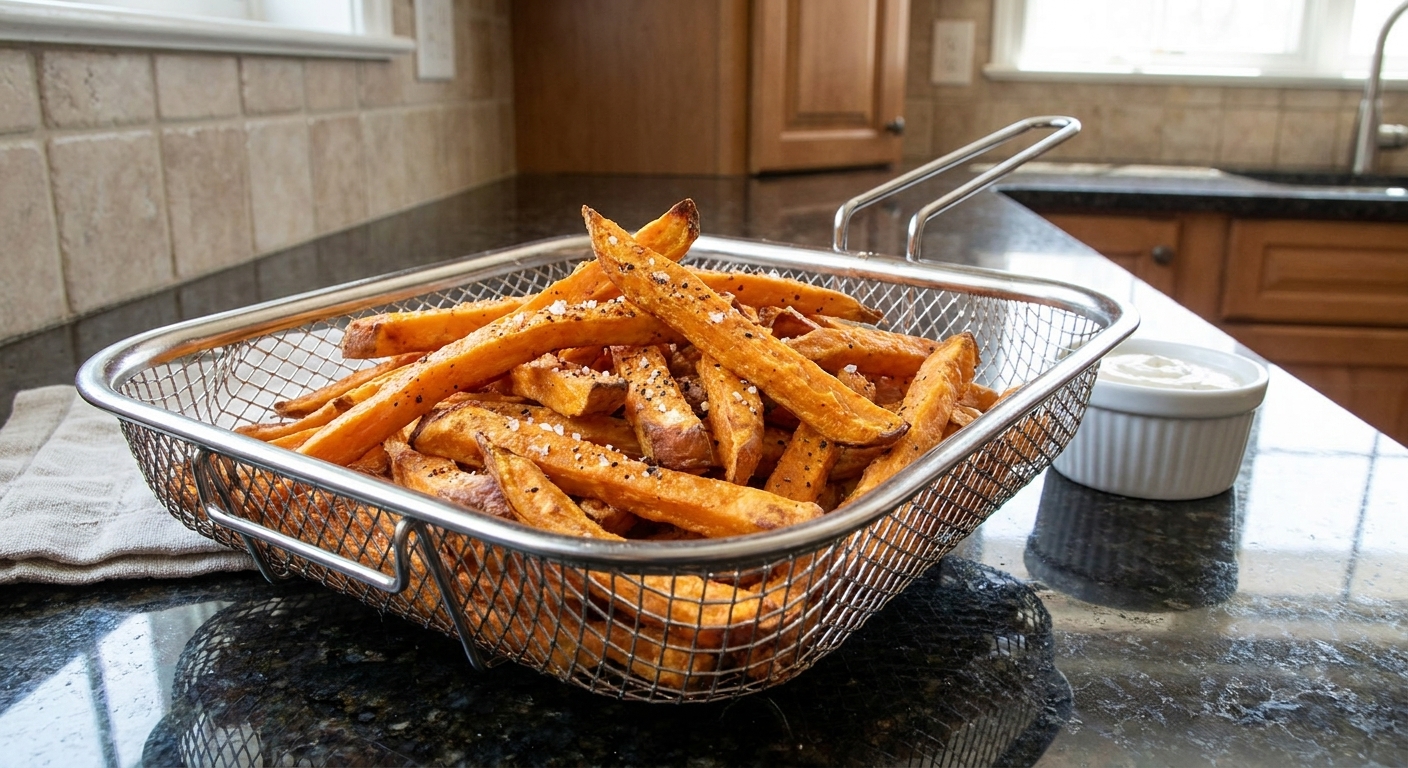
- Sweet potato fries: They can get crisp at the edges, but they are more prone to soft centers and quicker browning because of higher natural sugars and their tendency to hold onto moisture. They often do better with slightly thicker cuts, extra spacing, and a light starch coating.
If your goal is “fastest path to crunch,” regular fries usually win. If your goal is “crispy edges with a tender, sweet center,” sweet potatoes can absolutely deliver, but you need to lean on cornstarch and airflow.
Why they cook differently
Regular potatoes (especially russets)
Russets are generally higher in starch and lower in sugar. In fry terms, that often means:
- Surface starch helps build a crust as it dries and cooks.
- Less sugar means less rapid browning at higher air fryer temperatures.
- Moisture is easier to drive off if you rinse or soak, then dry well.
Sweet potatoes
Sweet potatoes typically have more natural sugars and less starch than russets, plus a structure that can hang onto moisture. In the air fryer, that often shows up as:
- Edges that brown quickly (sometimes before the inside dries enough to crisp).
- Easy steaming when crowded, which leads to limp fries.
- Better results with added starch to mimic a classic fry crust.
My rule of thumb: Regular fries get crisp from starch you already have. Sweet potato fries often need starch you add.
Best potatoes
Regular fries
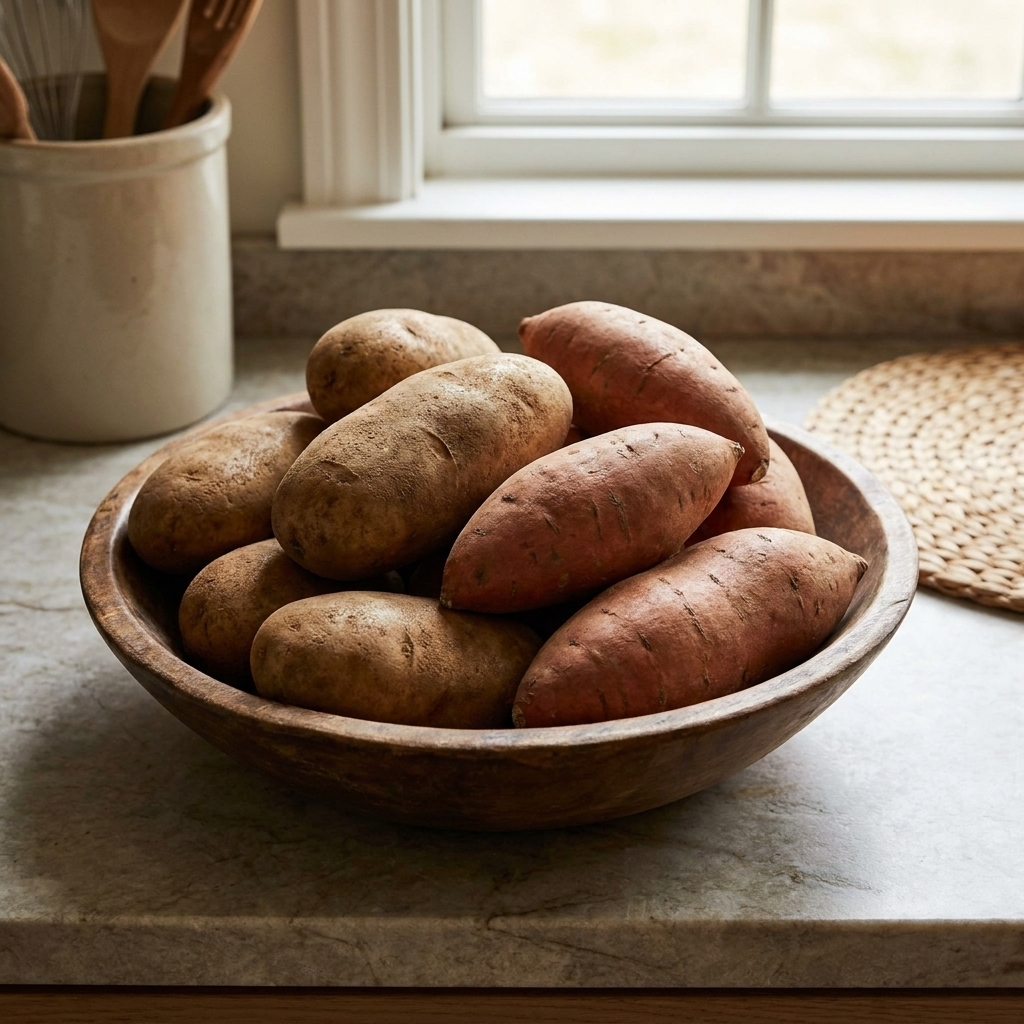
- Russet: The crisp king. Fluffy inside, crunchy outside.
- Yukon Gold: Creamier interior, slightly less crisp than russet but still great.
- Red potatoes: Waxy and can be a little leathery as fries. Not my first pick for maximum crunch.
Sweet potato fries
- Orange sweet potatoes: Classic, sweeter, softer inside. Crispiness is doable but needs good technique.
- White sweet potatoes (if you find them): Often a bit drier and can crisp a touch easier.
Peel or not? Skin-on regular fries can be great (more texture, less prep). Sweet potato skins can be a little tougher; I usually peel for more even crisping, but either works.
Cut size
In air frying, uniform thickness is half the battle. Uneven fries mean some pieces steam while others overbrown.
- Regular fries: Aim for 1/4 to 3/8 inch thick (shoestring to standard fry). Thicker cuts can work, but they take longer and need more shaking.
- Sweet potato fries: Aim for 3/8 inch thick. Too thin and they can brown fast while still turning floppy.
Whatever you cut, keep pieces similar so you are not pulling half the batch early and re-cooking the rest.
Prep showdown
Regular fries: rinse or soak, then dry
Rinsing or soaking often helps by washing away excess surface starch and improving the odds of even crisping. It is not a magic requirement, but it is a reliable habit.
- Fast option: Rinse cut fries under cold water for 20 to 30 seconds, then drain.
- Best option: Soak in cold water for 20 to 30 minutes (even 10 helps).
- Drain and dry aggressively. I use a clean towel plus a final paper towel blot. Drying is the non-negotiable step.
- Toss with 1 to 2 teaspoons oil per medium potato.
- Seasoning: salt after cooking for maximum crunch, or do a light pre-season and finish with more salt.
Sweet potato fries: dry, oil, then cornstarch
Some cooks like a quick rinse or brief soak for sweet potatoes, and it can help if you dry them extremely well. In my testing, I get more consistent crispiness by focusing on drying and a light cornstarch dusting.
- Pat cut sweet potato fries dry.
- Toss with 1 to 2 teaspoons oil per large sweet potato.
- Then sprinkle with 1 to 2 teaspoons cornstarch and toss until lightly dusted, not pasty. Cornstarch clumps on wet fries, so oil first, starch second.
- Seasoning: go easy on sugar-forward blends before cooking. Save sweet spice mixes for the end if you notice fast browning.
Confession from my early air fryer days: I once dumped in too much cornstarch and created “sweet potato chalk sticks.” Light dusting only.
Temps and times
These times assume fresh-cut fries, a preheated air fryer, and a mostly single layer with breathing room. Air fryer size, basket depth, and how crowded you go can swing timing a lot, so use the doneness cues too.
Regular fries (russet, recommended)
- Temperature: Start at 380°F, then finish hotter
- Time: 18 to 25 minutes total, depending on thickness and your air fryer
My favorite two-step method:
- Air fry at 380°F for 12 minutes, shake.
- Increase to 400°F for 6 to 10 minutes, shaking once more, until deeply golden and crisp.
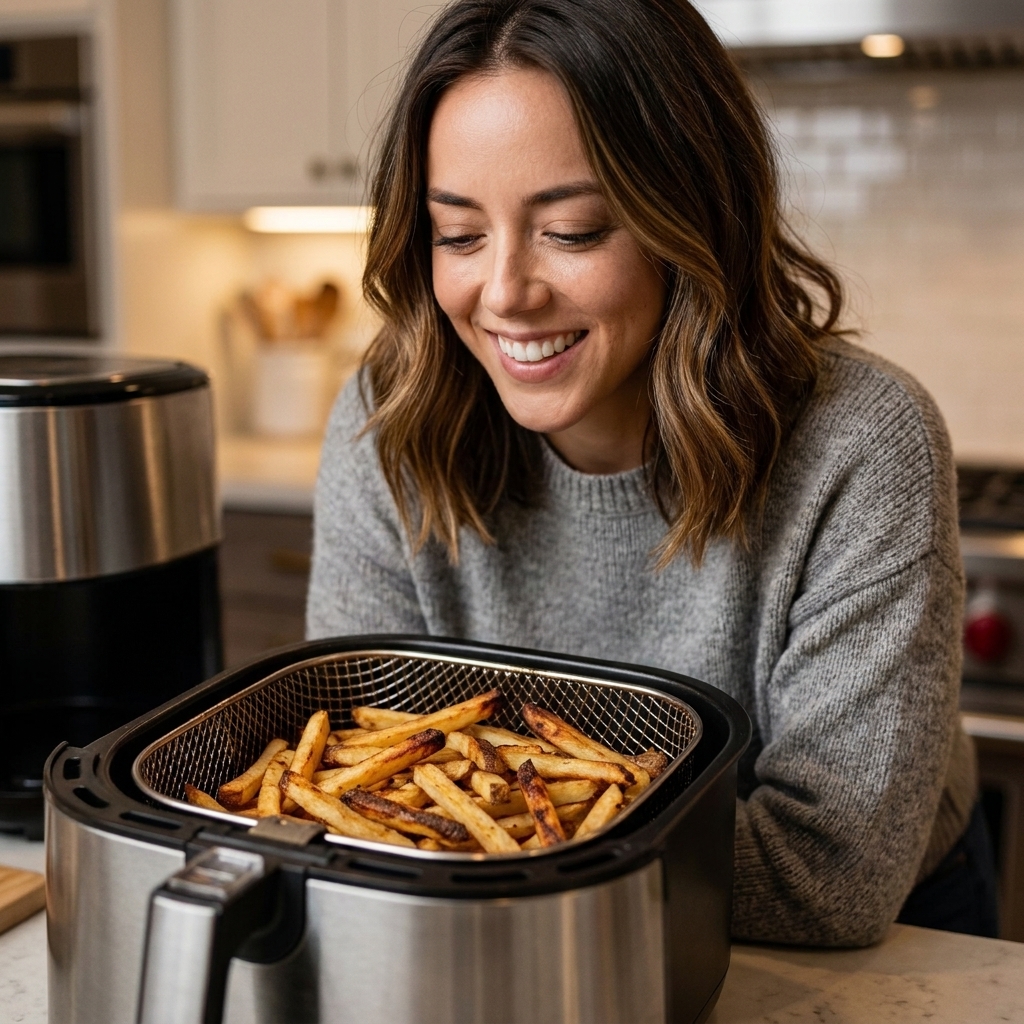
Doneness cues: deep golden edges, the fries look dry on the surface (not shiny), and they sound a little crisp when you shake the basket. Inside should be tender when you break one in half.
Sweet potato fries
- Temperature: 370°F to 390°F
- Time: 12 to 18 minutes total
My go-to method for crisp edges without burnt tips:
- Air fry at 380°F for 8 minutes, shake.
- Continue at 380°F for 4 to 8 minutes until browned at the edges and tender inside.
If your sweet potato fries are browning too fast, drop to 360°F and cook a few minutes longer. If they are pale and soft, bump to 390°F for the last 2 to 3 minutes and shake well.
Doneness cues: browned edges with a slightly firmed surface, and the centers feel tender when you bite or pierce with a fork. Sweet potato fries rarely get as glass-crisp as russets, so chase “crispy edges plus tender middle” and you will be happier.
Crispiness tips
1) Do not crowd the basket
Crowding traps steam, and steam is the enemy of crisp.
- Best: a single layer with space between fries.
- If you must stack: keep it to a loose second layer only and shake more often. Expect slightly less crisp than a true single layer.
2) Shake like you mean it
Shaking flips fries into hot airflow and exposes new surfaces to dry out.
- Shake at 8 to 10 minutes, then every 4 to 5 minutes after that.
3) Use just enough oil
Oil helps browning and texture, but too much can make fries heavy and soft.
- Regular fries: 1 to 2 teaspoons per potato is usually plenty.
- Sweet potato fries: similar, but pair it with cornstarch for that crust effect.
4) Salt at the right time
- For maximum crisp: salt after cooking.
- If you pre-salt: you can draw moisture to the surface, especially with sweet potatoes, which nudges you toward softer fries.
5) Preheat
A hot start helps drive off surface moisture quickly. If your air fryer has a preheat setting, use it. If not, run it empty at 380°F for 3 to 5 minutes.
Seasoning ideas
Regular fries
- Salt and pepper, plus garlic powder
- Old-school seasoned salt
- Parmesan and parsley after cooking
- Smoked paprika + pinch of cayenne
Sweet potato fries
- Salt + chili powder + lime zest after cooking
- Cinnamon + a tiny pinch of salt (dessert vibes, but still fry vibes)
- Everything bagel seasoning after cooking for a savory twist
- Chipotle powder + garlic powder for a smoky kick
Troubleshooting
My sweet potato fries are browned but floppy
- You likely crowded the basket, cut them too thin, or did not dry them enough.
- Try 3/8-inch cuts and a light cornstarch dusting.
- Cook at 370°F to 380°F, shake more often, and do not over-oil.
My regular fries are dry, not crispy
- They may be too thick, or you did not use enough oil.
- Try the two-step method (380°F then 400°F).
- Make sure they were very dry before oiling.
They are crisp in the air fryer, then soften on the plate
- That is trapped steam. Spread fries on a plate in a single layer for 1 to 2 minutes before piling them into a bowl.
- Do not cover with foil.
The outside is burning before the inside is done
- This happens more with sweet potato fries.
- Lower temp to 360°F and add time, or cut slightly thinner but not shoestring thin.
At-a-glance guide
| Type | Best potato | Key prep | Temp | Cook time | Crispiness secret |
|---|---|---|---|---|---|
| Regular fries | Russet | Rinse or soak, dry well | 380°F then 400°F | 18 to 25 min | Two-step heat + space |
| Sweet potato fries | Orange sweet potato | Dry well, oil then cornstarch | 370°F to 390°F | 12 to 18 min | Cornstarch + airflow |
FAQ
Do I need to soak sweet potatoes before air frying?
Usually, no. I get more consistent crispiness by drying them well and using a small amount of cornstarch. A quick rinse or brief soak can work too, but only if you dry them extremely well or you will add steam.
Can I cook both kinds of fries at the same time?
I would not. They brown at different rates, and sweet potato sugars can darken while regular fries are still working on crisp. If you want both, cook regular fries first, keep them warm on a sheet pan in a low oven, then cook sweet potato fries.
Why are my fries sticking to the basket?
Not enough oil, or you added cornstarch and let the fries sit too long before cooking. Toss and cook right away. A quick spritz of oil on the basket can help too.
Frozen fries vs fresh cut: do these tips still apply?
Mostly, yes. Frozen regular fries usually crisp easily because they are par-cooked and often lightly coated. Frozen sweet potato fries vary widely. Still: do not crowd, shake often, and expect to add a few minutes.
Bottom line
If you want the most reliable crunch, go with russet regular fries, rinse or soak, dry like you mean it, then finish hot. If you want sweet potato fries that actually behave, cut them a touch thicker, dust with cornstarch, and give them space to breathe in the basket.
And if a batch comes out a little softer than you wanted, you did not fail. You just made sweet potato fry practice, which is still very snackable.