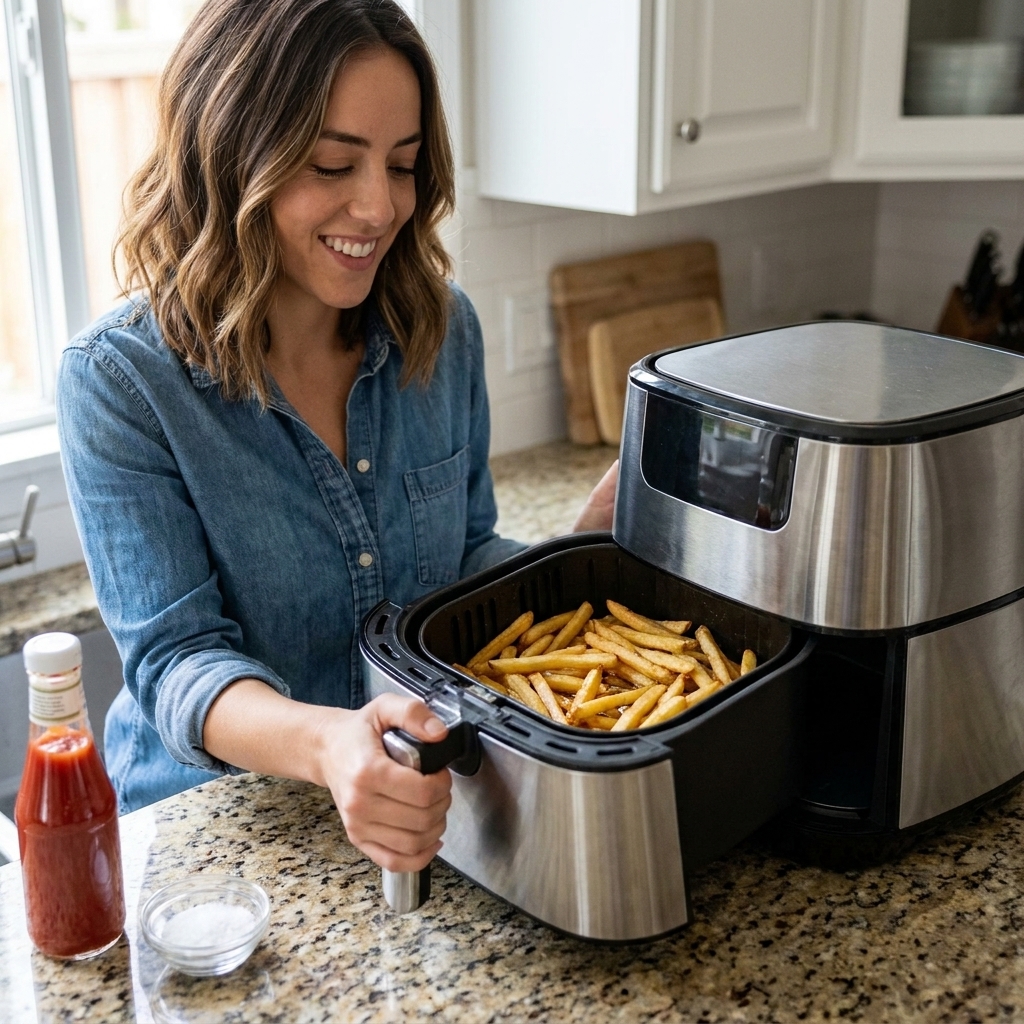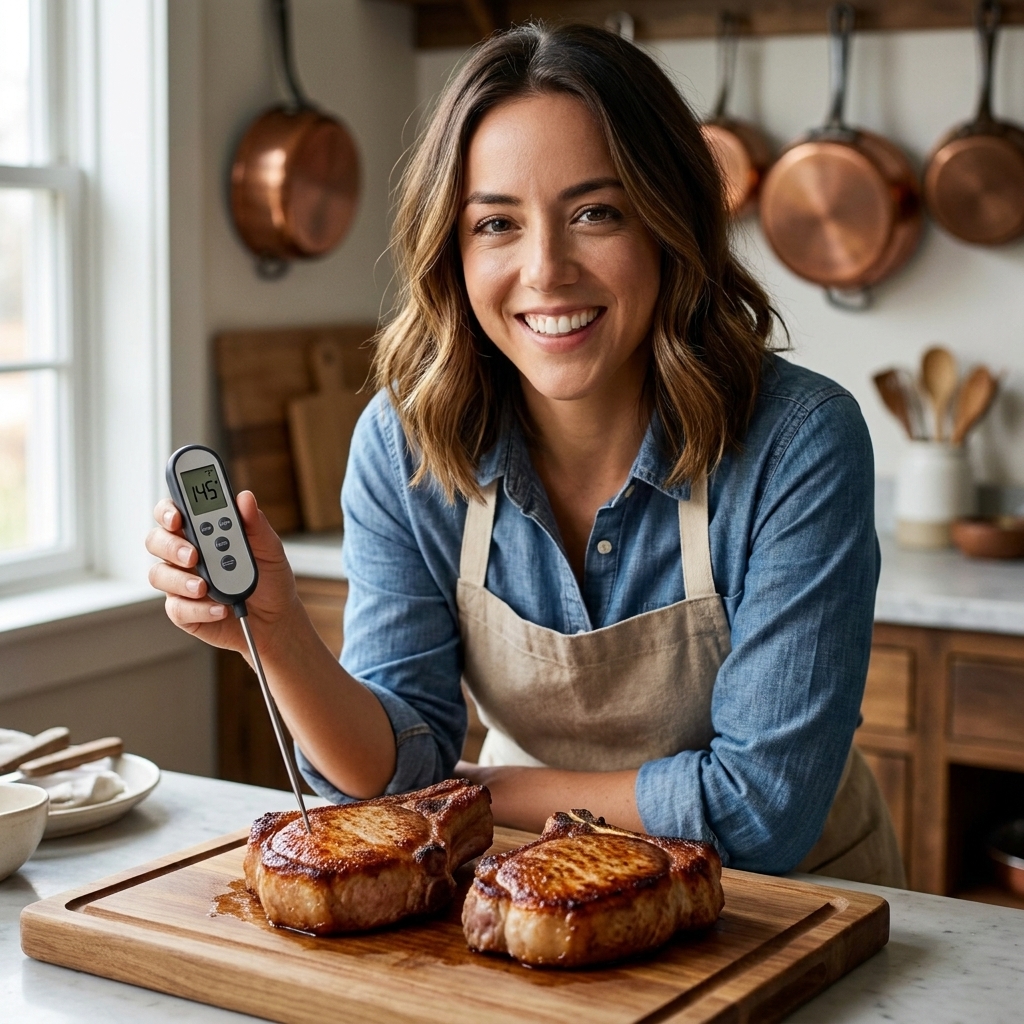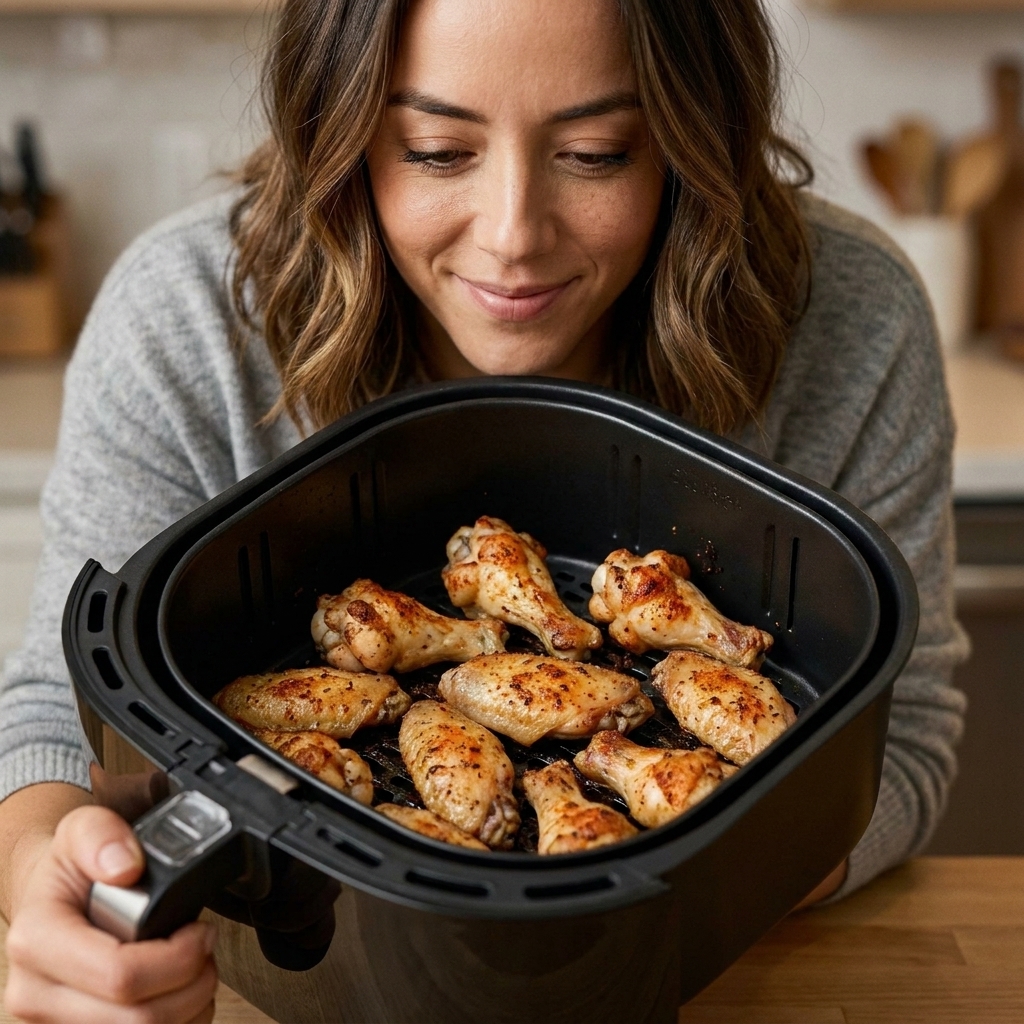
If you have ever pulled salmon out of the oven and thought, “Why is the top perfect but the skin is… sad,” you are not alone. I grew up in a deep-fry-everything Midwest household, so crispy is basically my love language. These days, I am chasing that same crunch with a lot less oil and a lot less mess. And salmon is the ultimate test: delicate fish, quick cook time, and skin that can go from crispy to rubbery in a heartbeat.
Today we are settling the question I get in my Crisp Basket DMs all the time: air fryer vs. oven baked salmon. Which one gives you the best flaky center and the most crave-worthy exterior, especially if you want crispy skin?
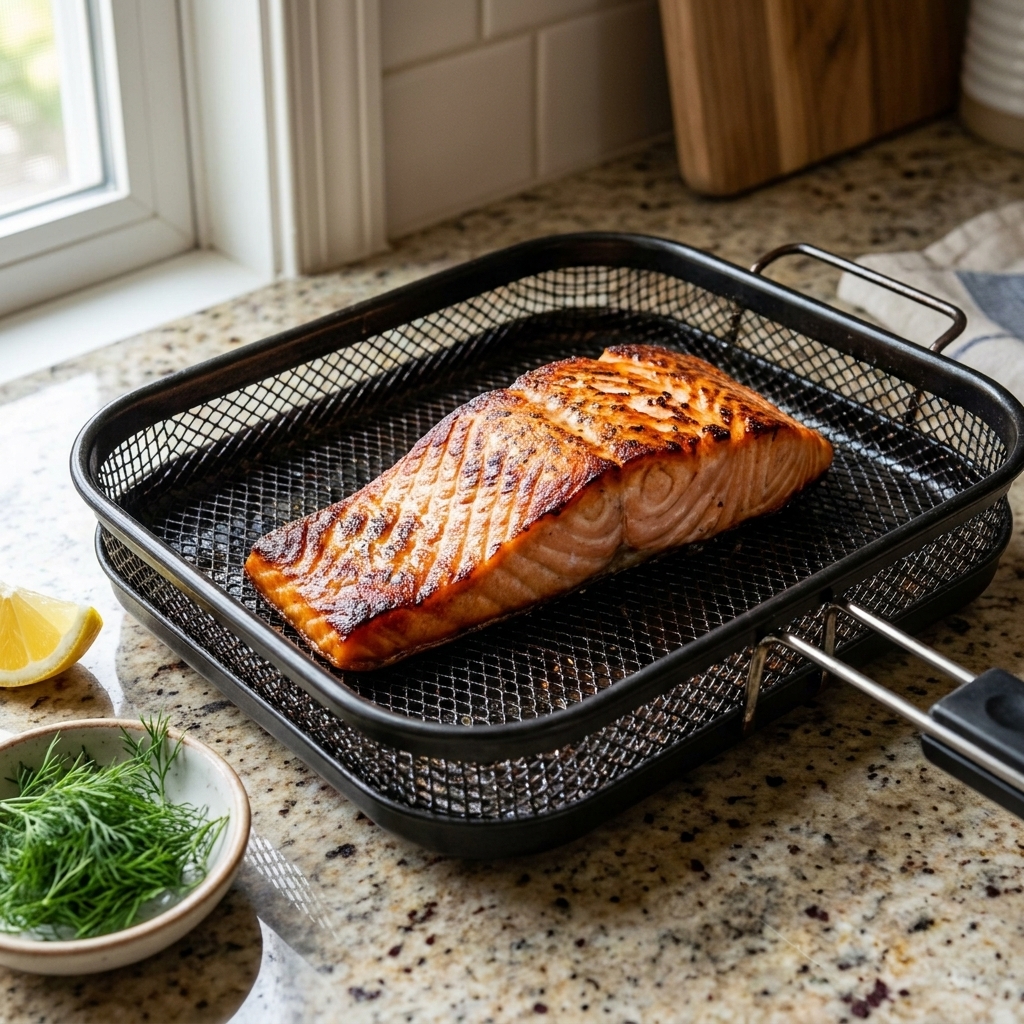
Quick verdict
- Best crispy skin: Air fryer, especially in basket-style models. Faster surface drying plus strong convection usually equals better crackle.
- Best for multiple portions: Oven. You can cook 4 to 6 fillets at once without playing salmon Tetris.
- Best flaky center with minimal babysitting: Oven (especially with a thermometer). It is steadier for batches and less prone to the quick overcook that can happen in smaller air fryers.
- Best weeknight speed: Air fryer. Preheats fast and cooks a fillet in about 7 to 10 minutes.
One important note before we talk temps: The FDA’s general guidance for finfish is 145°F. In this article I also share lower pull temps that many home cooks use for a softer, juicier texture. If you choose to pull earlier, use high-quality fish, consider your personal risk tolerance, and always rely on a thermometer.
What people mean by “crust”
Salmon does not form a bread-like crust unless you add a coating (panko, parmesan, etc.). When most people say “crust” on salmon, they mean one of these:
- Crispy skin that shatters slightly when you bite it.
- A browned surface on the flesh side from the Maillard reaction (think golden, not dried out).
- A set, flaky interior that is still juicy, not chalky.
The trick is balancing three things: dry surface (for crisp), hot air circulation (for browning), and not overcooking (for flakes that stay tender).
Air fryer salmon
The air fryer is basically a tiny convection oven with a fan that means business. That high airflow is exactly what skin needs. The downside is you have a smaller space, and fish can go from perfect to overdone quickly if you are not watching thickness and temperature.
Also, results vary by model. Rear-fan baskets tend to blast airflow differently than top-fan toaster-oven styles, so consider your first cook a timing “calibration run.”
Best air fryer setup
- Basket-style air fryer: Usually the crisp-skin MVP because hot air hits more angles.
- Oven-style air fryer: Still works, but use a perforated tray or rack if you have one.
- Ideal fillet size: 5 to 7 oz fillets, 1 to 1.25 inches thick in the center.
Step-by-step: Air fryer salmon with crispy skin
You will need: salmon fillets (skin-on for the full crispy experience), neutral oil or avocado oil spray, kosher salt, pepper.
- Dry it like you mean it. Pat the salmon dry with paper towels. Flip and dry the skin side too. Moisture is the enemy of crisp.
- Chill trick (optional but amazing): If you have 10 minutes, salt the skin side and leave the fillets uncovered in the fridge. It dries the surface so the skin crisps faster.
- Light oil, not a bath. Brush or spray a thin coat of oil on the skin and flesh. If you use too much, you steam instead of crisp.
- Preheat the air fryer to 400°F for 3 to 5 minutes.
- Season the flesh side with salt and pepper (and any dry rub you love).
- Choose your skin-side strategy. In many basket models, skin-side up gets the skin great exposure to airflow and helps prevent sticking. If your air fryer has a perforated rack or you know it browns better with contact, skin-side down on a lightly oiled rack can also crisp nicely. Either way, leave space around each piece.
- Air fry at 400°F for 7 to 10 minutes, depending on thickness.
- Check doneness with an instant-read thermometer inserted into the thickest part. Texture-wise, many people like 120°F to 125°F for a softer, medium-rare to medium center, or 130°F to 140°F for firmer but still juicy. For the FDA guidance endpoint, cook to 145°F.
- Rest 2 minutes. Carryover heat finishes the center without drying it out.
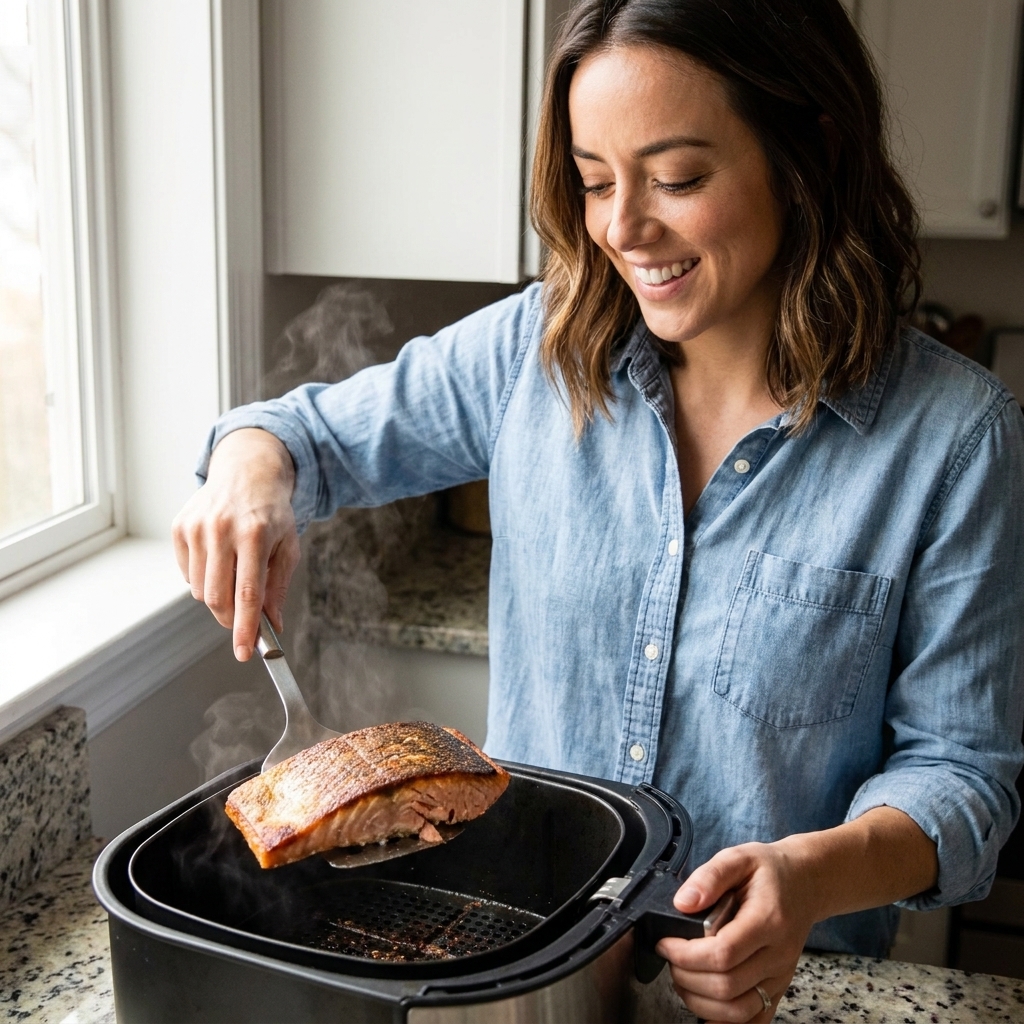
My honest note: The first time I tried “skin-side down” in the air fryer, I basically glued salmon to my basket. Skin-side up plus a lightly oiled basket has been the most consistent for me.
Oven baked salmon
The oven is calmer in the sense that it is roomy and steady, which is great when you are cooking for a family or you want multiple fillets ready at once. The challenge is getting the skin crisp without overcooking the flesh.
Two oven methods that work
- High-heat roast: Great for browned edges and fast cooking.
- Broil finish: Helps you get that golden top without pushing the interior too far.
Step-by-step: Oven baked salmon (flaky center, crispier skin)
- Preheat the oven to 425°F.
- Preheat the pan too. Place a sheet pan in the oven while it heats. This helps the skin start cooking the second it hits the metal.
- Dry and oil the salmon as described above.
- Choose parchment or no parchment. For easiest cleanup, parchment is great, but check your parchment’s heat rating. Some brands can darken or get brittle at higher temps. For slightly better crisping, skip parchment and oil the hot pan lightly instead.
- Place salmon skin-side down on the hot pan.
- Roast for 10 to 14 minutes depending on thickness.
- Optional broil finish: Broil 1 to 2 minutes for extra browning on top. Watch closely.
- Check temperature: For a softer, juicier center, many cooks pull at 120°F to 125°F and rest. For a firmer texture, aim higher. For FDA guidance, cook to 145°F.
- Rest 3 minutes.
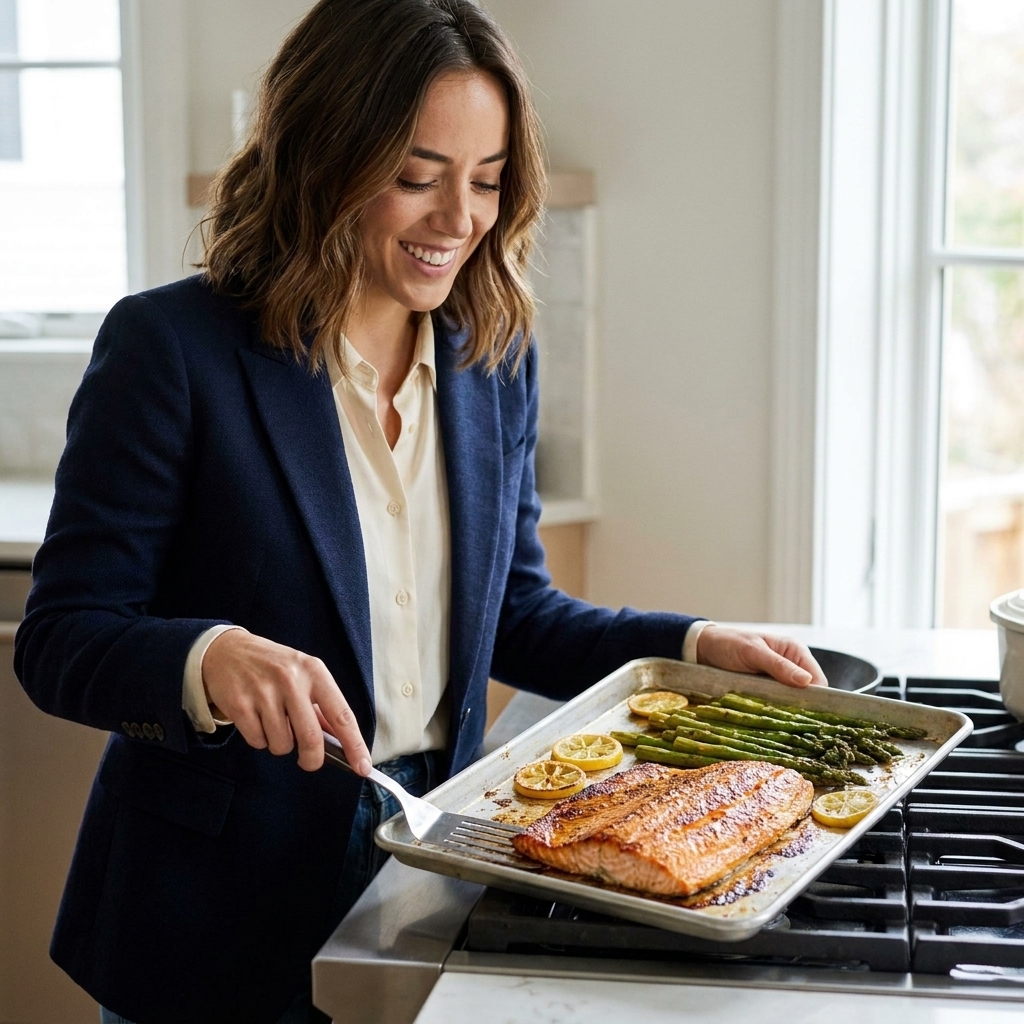
Reality check: Oven salmon can be flaky and gorgeous, but if your priority is glassy-crisp skin, the oven needs help (preheated pan, minimal moisture, and sometimes a broil). The air fryer is simply more consistent for skin texture.
Air fryer vs. oven
| Category | Air Fryer | Oven |
|---|---|---|
| Crispy skin | Excellent in many basket models, especially with good airflow | Good with a preheated pan, usually less crisp |
| Flaky center | Very good, but easier to overshoot if you are not watching | Excellent for batches and more forgiving across multiple fillets |
| Cook time (typical fillet) | 7 to 10 minutes at 400°F | 10 to 14 minutes at 425°F |
| Preheat time | 3 to 5 minutes | 10 to 20 minutes |
| Batch cooking | Limited by basket space | Great for 4+ fillets |
| Cleanup | Basket can be annoying if it sticks | Sheet pan plus parchment is easiest |
| Smell containment | More contained, still fishy | More fish aroma in the house |
Timing cheatsheet
Salmon thickness matters more than weight. Here are reliable starting points. Always confirm with a thermometer if you can.
Air fryer at 400°F
- 3/4 inch thick: 6 to 8 minutes
- 1 inch thick: 8 to 10 minutes
- 1 1/2 inches thick: 11 to 13 minutes (if the outside browns too fast, drop to 390°F)
Oven at 425°F
- 3/4 inch thick: 9 to 11 minutes
- 1 inch thick: 11 to 13 minutes
- 1 1/2 inches thick: 14 to 17 minutes
Salmon type matters
Not all salmon behaves the same, and this is where people get tripped up when they swear a method “always” works.
- Farmed Atlantic salmon: Higher fat, more forgiving, and less likely to dry out. Great for high-heat air frying.
- Wild sockeye, coho, king: Often leaner (especially sockeye) and can go from juicy to dry faster. Start checking early, especially in the air fryer.
- Thicker center cuts: More timing wiggle room and easier to nail a flaky center.
- Thin tail pieces: Cook fast and can overbrown at 400°F. Consider 390°F or pull early.
Seasoning paths
Wet marinades can work, but they fight crispness. If crispy skin is the goal, keep it mostly dry.
Crispy-skin friendly
- Simple: salt, pepper, garlic powder, lemon zest
- Smoky: salt, smoked paprika, cumin, pinch of brown sugar
- Everything bagel: light sprinkle on the flesh side only
Use carefully
- Honey mustard glazes
- Teriyaki or soy-based marinades
- Fresh garlic (can burn fast at 400°F)
If you want a glaze, my workaround is simple: cook the salmon first for crispness, then brush on sauce during the last 1 to 2 minutes, or drizzle after cooking.
Truly crispy skin tips
- Start with dry skin. Pat it dry, then pat it dry again. Yes, I am serious.
- Salt early if you can. Even 10 minutes in the fridge helps pull out moisture.
- Use a little oil. Not optional. Salmon skin is thin and needs help browning.
- Do not overcrowd. Air needs room to move. Salmon packed tight equals steaming.
- Be picky with liners. Solid parchment or silicone liners can block airflow and soften the skin. If you use parchment in an air fryer, use a perforated sheet or punch holes so air can circulate.
- Cook to temp, not to fear. Overcooking is the fastest way to lose flake and juiciness.
Chloe confession: Early in my air fryer era, I tried to “save cleanup” by laying salmon on parchment in the basket. The skin came out soft like a raincoat. Now I only use parchment if I have to, and I punch holes in it so air can actually circulate.
Troubleshooting
My salmon stuck to the air fryer basket
- Oil the basket lightly and oil the salmon skin.
- Do not try to flip too early. Let it set for at least 6 minutes.
- If sticking is a constant problem, try cooking skin-side up, or use a lightly oiled perforated rack if your model has one.
My salmon is dry
- Pull earlier and rest. Texture-wise, many people prefer 120°F to 130°F. For FDA guidance, cook to 145°F, but know it will be firmer.
- Thinner fillets need less time than you think. Set a timer for the low end and check.
- If you are cooking wild salmon, start checking even earlier. It is less forgiving.
My skin is chewy, not crispy
- Your skin was too wet, or you overcrowded the basket or pan.
- Increase airflow. A basket or perforated rack beats a solid tray.
- Preheat, then cook hot. 400°F in the air fryer is my crisp-skin sweet spot.
White stuff (albumin) is oozing out
That white stuff is albumin, and it is harmless. It shows up more when salmon cooks fast or gets a bit hotter. To reduce it, cook slightly lower (390°F air fryer) or pull a bit earlier.
Which method to choose
Here is how I decide on a real weeknight:
- I choose the air fryer when I want crispy skin, I am cooking 1 to 2 fillets, and I want dinner fast with minimal preheating.
- I choose the oven when I am feeding more people, I am cooking sides on the same rack, or I want a steadier cook across multiple pieces.
If you want the simplest path to crispy skin plus a flaky center, the air fryer wins more often than not. Just stay close the first time you run your timing, because every fillet thickness and every machine runs a little different.
FAQ
Do I need to flip salmon in the air fryer?
No. I usually do not flip. If I am chasing crispy skin, I often cook skin-side up for airflow and easy release. That said, some models crisp better skin-side down on a lightly oiled perforated rack. If you are cooking skinless fillets, keep them the same side up the whole time.
Is salmon better at 375°F or 400°F in the air fryer?
400°F is my go-to for crisp skin and quick cooking. If your salmon is thick or your seasonings brown too fast, drop to 390°F and add 1 to 2 minutes.
Can I cook frozen salmon in the air fryer?
Yes, but expect less crispness, especially on skin. For frozen fillets, air fry at 390°F. Timing depends heavily on thickness and whether the fish is tightly vacuum-packed. As a starting point:
- 3/4 inch: 10 to 13 minutes
- 1 inch: 12 to 16 minutes
- 1 1/2 inches: 16 to 20 minutes
Season once the surface thaws (usually around the 4 to 5 minute mark), and always confirm doneness with a thermometer. If crispy skin is your goal, thaw first.
Skin-on or skinless for best results?
Skin-on gives you the best contrast: crisp outside, juicy inside. Skinless is still delicious, just more about a browned surface than a true crunch.